

How Can I Improve My Posture, Energy, and Strength Without Equipment?
Can you really improve your posture, boost your energy, and build strength without stepping into a gym or buying expensive equipment? The short answer is yes.
Many professionals spend long hours at a desk. Over time, slouching, poor sitting posture, tight hips, and a weak core begin to affect the spine, shoulders, and neck. Energy drops. Confidence dips. Discomfort increases.
But here’s the good news: your body already has everything it needs to grow stronger. With intentional movement, correct alignment, and simple daily stretches, you can restore mobility, strengthen your back and core, and stand taller, both physically and mentally.
In this article, you’ll discover:
- Why posture matters for your long-term health and confidence
- How bodyweight exercises can build real strength
- Simple daily movements that increase energy naturally
- The connection between physical discipline and spiritual growth
- Practical routines you can start at home, today
Ready to move from stiffness and fatigue to strength and vitality? Let’s begin with posture.
Why posture matters for your long-term health and confidence
Good posture is the proper alignment of the spine, shoulders, hips, and neck. When your body is aligned, muscles work efficiently, breathing improves, and strain on the back and joints decreases.
But when slouching or a hunched posture becomes habitual—especially from prolonged desk work—several problems arise:
- Forward-head posture strains the neck and trapezius muscles
- Rounded shoulders compress the chest
- Tight hip flexors tilt the pelvis
- Weak core muscles destabilise the spine
Over time, this misalignment affects not only comfort but energy levels. Poor posture restricts oxygen flow and places constant tension on the back and shoulders.
Common posture issues from desk work
Long hours at a computer often create:
- Tight hips
- A stiff thoracic spine
- Weak scapular stabilisers
- Collapsed chest positioning
Improving desk ergonomics helps—adjusting screen height, keeping feet flat, and maintaining neutral sitting posture—but posture ultimately depends on muscle strength and mobility.
Simple corrective movements for better alignment
Start with these:
- Chin tucks to correct forward-head posture
- Wall angels to strengthen scapular control
- Doorway stretch to open the chest
- Cat-cow to mobilise the spine
- Hip flexor stretch to release tight hips
These stretches restore alignment and improve mobility across the spine, shoulders, and hips.
You’ll notice that when you stand taller, you think more clearly. Posture influences confidence. It affects how you show up in meetings, in parenting, in leadership, and in service.
But posture alone is not enough. Strength must support it.
So let’s move deeper and talk about body weight.
How bodyweight exercises can build real strength
You don’t need equipment to build strength. Your own body weight provides resistance that activates the core, back, glutes, shoulders, and hips simultaneously.
Strength training improves posture because strong muscles help keep your spine properly aligned.
Foundational bodyweight exercises
Start with:
- Plank – Strengthens the core and stabilises the spine
- Glute bridge – Activates the hips and supports the lower back
- Cobra pose – Strengthens the back and opens the chest
- Wall angels – Reinforces scapular stability
- Child’s pose – Restores spinal mobility
The plank strengthens deep core muscles that prevent slouching. The glute bridge counters the effects of long hours of sitting by activating underused hip muscles. Cobra pose reverses hunched posture by opening the chest and engaging the back.
Consistency matters more than intensity. Ten to fifteen minutes daily can produce remarkable improvements in posture and strength.
But strength alone does not guarantee energy.
Let’s talk about vitality.
Simple daily movements that increase energy naturally
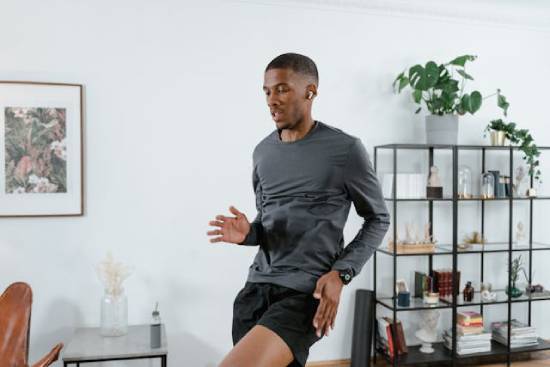
Photo by MART PRODUCTION
Energy is closely linked to movement. When you remain sedentary, circulation slows, joints stiffen, and muscles tighten, especially around the hips, shoulders, and thoracic spine.
Short movement breaks throughout the day can transform your energy levels.
The 5-minute mobility reset
Every 60–90 minutes, try:
1. Cat-cow for spinal mobility
2. Hip flexor stretch
3. Doorway stretch for the chest
4. Chin tucks
5. A 30-second plank
This quick sequence improves blood flow, corrects sitting posture, and reduces strain on the neck and back.
Stretching isn’t passive. Strategic stretches improve mobility and reduce tension in the trapezius, hips, and shoulders.
When mobility improves, energy increases.
But there’s something even deeper happening here. There are even spiritual benefits attached to physical discipline.
The connection between physical discipline and spiritual growth
Caring for your body is more than physical optimization. Scripture reminds that our bodies are special to God:
“Or do you not know that your body is the temple of the Holy Spirit who is in you, whom you have from God, and you are not your own?” (1 Corinthians 6:19, NKJV).
Physical discipline cultivates mental clarity. Mental clarity strengthens spiritual focus.
When your spine is aligned and breathing unrestricted, prayer becomes less distracted. When your body feels strong, service becomes more sustainable.
Exercise builds:
- Consistency
- Self-control
- Resilience
- Stewardship
Just as we nurture spiritual growth through daily devotion, we nurture physical strength through daily movement.
Wholistic health integrates body, mind, and spirit.
And now, let’s make this practical.
Practical routines you can start at home today
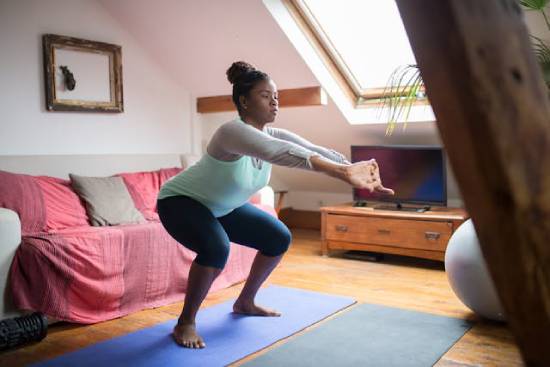
Photo by Kampus Production
Here’s a simple, equipment-free routine designed for busy professionals.
Daily 15-minute strength & posture routine
Warm-Up (5 minutes)
- Cat-cow – 10 repetitions
- Hip flexor stretch – 30 seconds each side
- Doorway stretch – 30 seconds
- Chin tucks – 10 repetitions
Strength (7 minutes)
- Plank – 30–60 seconds
- Glute bridge – 12 repetitions
- Wall angels – 10 repetitions
- Cobra pose – 10 slow lifts
Repeat twice if time allows.
Cool Down (3 minutes)
- Child’s pose
- Gentle thoracic spine rotation stretches
Desk ergonomics checklist
- Screen at eye level
- Shoulders relaxed
- Feet flat
- Core lightly engaged
- Avoid prolonged slouching
Small habits compound over time. Improved alignment today prevents chronic back and neck discomfort tomorrow.
Stand taller, live stronger
Improving your posture, energy, and strength without equipment is not only possible but also sustainable.
By correcting spine alignment, strengthening your core and back, improving mobility in your hips and shoulders, and reversing forward-head posture, you begin undoing the effects of long hours of sitting and stress.
But the transformation doesn’t stop at the physical level.
You move:
- From slouching and hunched posture to confident alignment
- From tight hips and a stiff thoracic spine to fluid mobility
- From constant fatigue to steady energy
- From imbalance to wholistic strength for body, mind, and spirit
Your body is not just a machine to push through deadlines. It is a gift. A temple. A tool for service.
And this is just the beginning.
If this article resonated with you, we invite you to explore our Health section on Hope for Africa. There, you’ll find practical, Bible-based insights designed to help you grow stronger physically while deepening your spiritual clarity.
Here are three powerful reads to begin with:
- Exercise: Why You Need to Keep Moving
This article explains why movement is essential for long-term vitality, not just short-term fitness. You’ll discover how regular movement protects your heart, spine, and joints, why sedentary living quietly drains your energy, and the science-backed benefits of consistent activity. - What Does the Bible Say About Taking Care of Your Body?
This article connects physical stewardship with spiritual responsibility. You’ll gain a clearer biblical understanding of the body as God’s temple, insight into how health honours the Creator, and practical principles for balanced living. - How Can I Stop Feeling Tired All The Time?
Persistent fatigue is common but not inevitable. This article explores the root causes of constant tiredness, the connection between posture, movement, and energy levels, spiritual, emotional, and physical contributors to fatigue, and practical steps to restore vitality naturally
Don’t stop at better posture. Step into stronger living.
Explore the Health section on HFA today and continue your journey toward balanced, faith-centred well-being.
Because when your body is aligned, your mind is clearer. When your energy is restored, your service becomes stronger. And when your health reflects stewardship, your life reflects purpose.