

How Do I Recover From Ministry Burnout or Church Exhaustion?
Ministry is a sacred calling. Serving God, leading in church, caring for people, and advancing the gospel is deeply meaningful work.
But even pastors and clergy who love God sincerely can experience burnout. The constant demands of leadership, counselling, preaching, organising, and supporting others can quietly lead to exhaustion and fatigue, physically, emotionally, and spiritually.
If you feel drained rather than joyful… overwhelmed rather than inspired… You are not alone. Ministry burnout is real. And recovery is possible.
In this article, we’ll explore:
- What ministry burnout really is and how to recognise it
- Why church exhaustion happens, even to sincere believers
- Practical, faith-centred steps to restore your spiritual, emotional, and physical strength
- How to set healthy boundaries without feeling guilty
- How God meets us in seasons of weariness
Let’s begin by understanding what may actually be happening beneath the surface.
What ministry burnout really is and how to recognise it
Ministry burnout is more than being tired. It is a state of emotional, spiritual, and physical depletion caused by prolonged stress in serving others.
Burnout in ministry often shows up as:
- Persistent exhaustion and fatigue
- Emotional numbness or irritability
- Loss of joy in your calling
- Decreased compassion for people you once loved serving
- Struggles in prayer and engagement with scripture
- Sleep problems affecting physical health and sleep cycles
- Feeling distant from God
For pastors and clergy, burnout can be especially complex. You may feel pressure to appear spiritually strong while silently struggling with mental health and stress. Because ministry is tied to your identity and calling, stepping back can feel like failure.
But here’s the truth: burnout is not a spiritual weakness. It is often a sign of chronic overextension without sufficient rest, support, or boundaries.
Even Jesus invited His disciples to step away from constant ministry demands:
“And He said to them, ‘Come aside by yourselves to a deserted place and rest a while.” For there were many coming and going, and they did not even have time to eat” (Mark 6:31, NKJV).
Rest was not optional. It was necessary. And that leads us to a deeper question…
Why church exhaustion happens, even to sincere believers
Church exhaustion happens because ministry work never truly ends.
There is always another sermon to prepare. Another family in crisis. Another leadership meeting. Another message to answer.
For those deeply committed to God, saying “no” feels wrong. You may believe that every request is an opportunity to serve. Over time, however, constant availability without work-life balance creates sustained stress.
Several factors contribute to burnout in ministry:
- Lack of regular sabbath rest
- Blurred boundaries between church and family life
- Unrealistic expectations from congregations
- Internal pressure to “save” everyone
- Limited support or accountability
- Neglect of self-care and physical health
- Absence of structured retreat or sabbatical time
Many leaders also experience compassion fatigue, when continually carrying others’ burdens begins to weigh heavily on their own souls.
And here’s something important: spiritual work does not make you immune to human limits.
You are called by God, but you are still human.
When sabbath rhythms are ignored, when sleep is shortened, when prayer becomes preparation rather than communion, and when leadership replaces intimacy with God, exhaustion quietly settles in.
But there is hope. Recovery begins with intentional, faith-centred action.
Let’s talk about what that looks like.
Practical, faith-centred steps to restore your spiritual, emotional, and physical strength
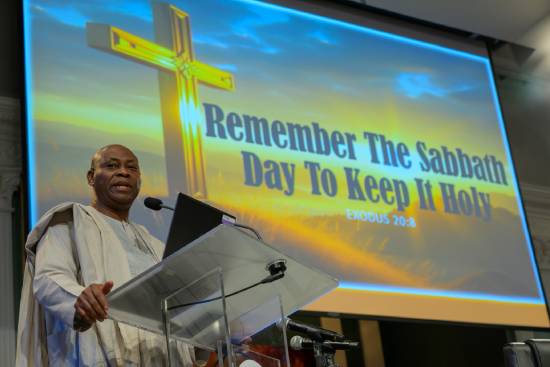
Recovery from ministry burnout requires both spiritual renewal and practical adjustment.
Here are key steps toward healing:
- Re-establish Sabbath and rest
The sabbath was designed for you.
God did not command rest because He was tired. He commanded it because you would be. Regular sabbath observance restores spiritual health and reminds you that the church belongs to God, not you.
Guard your day of rest. Protect it. Let it restore you.
- Prioritise physical health and sleep
Chronic sleep deprivation intensifies stress and weakens mental health. Recovery requires attention to physical health and sleep.
Your body is part of your ministry.
- Seek support and community
Isolation deepens burnout. You need support, too.
Consider:
- Trusted fellow pastors and clergy
- Leadership peer groups
- Accountability partners
- Church elders who can share responsibility
You were never meant to carry leadership alone.
- Consider counselling
Christian counselling is not a lack of faith. It is wisdom.
A trained counsellor can help you process stress, rebuild healthy patterns, and address deeper emotional strain. Many ministry leaders benefit greatly from counselling during recovery.
- Take a retreat or sabbatical
Sometimes recovery requires extended rest.
A retreat allows focused prayer, reflection, and renewal. A sabbatical offers deeper recovery from prolonged exhaustion and fatigue. Both are biblical rhythms of restoration.
Time away is not abandonment of your calling. It protects it.
- Restore personal prayer and Scripture
When burnout hits, prayer can feel mechanical. Scripture may feel like sermon material rather than nourishment.
Shift your focus from “preparing for others” to simply being with God.
Pray honestly. Tell Him you are tired. Sit quietly. Let scripture speak to your heart before it speaks to your congregation.
Recovery is not rushed. It unfolds step by step. And as strength begins to return, another crucial lesson emerges.
How to set healthy boundaries without feeling guilty
Boundaries are not barriers to ministry. Instead, they protect it.
Jesus Himself set boundaries. He withdrew from crowds. He did not heal everyone in every town. He said no to certain expectations.
Healthy boundaries may include
- Limiting after-hours calls unless they’re emergencies
- Delegating leadership responsibilities
- Protecting family time
- Scheduling regular days off
- Saying “not now” instead of “yes” to everything
Work-life balance is not selfish. It honours your family, your mental health, and your long-term effectiveness.
When boundaries are absent, stress multiplies. When boundaries are present, ministry becomes sustainable.
You cannot help everyone. So, it’s important to lean on Jesus who is the helper and healer of us all Jesus is.
And that truth leads us to the most comforting reality of all.
How God meets us in seasons of weariness

Image by NoName_13 from Pixabay
In burnout, it can feel like God is distant. But scripture tells a different story. Isaiah wrote of God’s renewing our strength:
“He gives power to the weak, and to those who have no might He increases strength” (Isaiah 40:29, NKJV).
God does not rebuke weary servants. He restores them. Throughout scripture, we see God:
- Feeding Elijah before correcting him
- Allowing David to pour out raw prayers
- Inviting the disciples to rest
- Extending compassion to overwhelmed leaders
Your calling still matters. But your soul matters too.
Burnout does not disqualify you. It invites you into deeper dependence on God.
Recovery is not simply about returning to activity. It is about rediscovering intimacy, health, and sustainable leadership rooted in grace.
From exhaustion to renewal
Ministry burnout and church exhaustion are painful, but they are not permanent.
With intentional rest, healthy boundaries, strong support, wise counselling, sabbath rhythms, and renewed prayer, recovery is possible.
If you are feeling overwhelmed today, pause. Take one small step toward rest. Reach out for support. Consider a retreat. Protect your sleep. Spend time in scripture for your own heart.
God called you. And He cares about your spiritual health, mental health, physical health, and family just as much as He cares about your ministry.
You are allowed to rest.
And as you do, may God restore your joy, renew your strength, and gently lead you back into sustainable, life-giving service.
If you’re navigating ministry stress, exhaustion, and fatigue, or questions about your calling, we invite you to explore the Faith Section of Hope for Africa. There, you’ll find Bible-based answers designed to strengthen your spiritual health and renew your perspective.
Here are three powerful reads to begin your recovery journey:
- How to Trust God in the Waiting Period
When burnout hits, you may feel stuck; unsure whether to step back, push forward, or make changes. This article helps you understand what God is doing in seasons of pause, replace anxiety with biblical trust, and strengthen patience without losing hope. - How Do I Hear God’s Voice in My Daily Life?
Exhaustion can make God feel distant. Prayer may feel quiet. Scripture may feel routine. This article will help you recognise how God speaks through scripture, prayer, and circumstance. - 10 Bible Verses to Help When You Feel Discouraged
Sometimes recovery begins with simple encouragement. This article offers carefully selected scripture to strengthen weary hearts, and practical reflections to renew mental health and spiritual focus.
Your ministry matters. But your soul matters too.
If you’re ready to move from burnout toward recovery, begin by exploring the Faith Section of HFA. Let it become a space where your spiritual health is restored, your prayer life is refreshed, and your calling is strengthened with clarity and balance.
Start with one of the articles above. Read slowly. Pray honestly. Allow God to minister to you. Because even leaders need shepherding.