

How Do I Move Forward After Experiencing Failure?
Failure can feel like a heavy weight. One that lingers long after the moment has passed.
Maybe it was a missed opportunity, a broken relationship, or a personal goal that didn’t turn out the way you hoped. In those moments, it’s easy to feel stuck, discouraged, or even question your purpose. But the truth is that failure is not the end of your story.
The Bible teaches us that what seems like failure can even become a powerful turning point for growth, healing, and renewed direction.
In Scripture, we find that even the greatest Bible figures faced failure, yet through God’s guidance, their setbacks became stepping stones toward something greater.
Every person has failed at one point or another, but you know what says more about us than our mistakes? How we respond to them.
In this article, we’ll explore how to move forward after experiencing failure through practical, faith-based insights.
You’ll discover:
- Why failure doesn’t define your identity or your future
- What the Bible says about setbacks, mistakes, and second chances
- How to process disappointment in a healthy, faith-centred way
- Practical steps to rebuild confidence
- How God can use failure to shape your character and direction in life
Let’s begin by understanding why failure doesn’t have to define your life.
Why failure doesn’t define your identity or your future
Failure does not define who you are. It only reflects a moment, not your entire story.
Yet many people carry shame, allowing their mistakes to shape their identity and limit their future. You might be thinking, “I failed, so I’m not good enough.” But that mindset keeps you stuck.
From a biblical perspective, your identity is not rooted in your failures but in God’s purpose for your life. Scripture consistently shows that people are more than their lowest moments. Failure is something you experience, not something you become.
This shift in mindset is crucial. When you separate your identity from your setbacks, you begin to regain control over how you respond. Instead of being defined by failure, you can learn from failure and grow stronger.
But even when you understand this truth, the weight of failure can still feel overwhelming. That’s why the next step is learning how to see failure through a biblical lens.
What the Bible says about setbacks, mistakes, and second chances
The Bible is filled with stories of people who experienced serious setbacks, yet still accomplished amazing things through God’s power. Moses doubted himself. David made serious mistakes.
Peter denied Jesus. Yet none of these failures disqualified them from God’s plan.
Instead, their stories reveal something powerful—failure is often part of the transformation process. God doesn’t ignore failure. He redeems it.
Proverbs 24:16 reminds us, “For a righteous man may fall seven times and rise again…” (NKJV). Notice that while falling is acknowledged, rising is also expected.
That’s hopeful news, isn’t it? It reminds us that failure is not the end. Instead, it’s an opportunity for change and growth.
Though, understanding this concept is one thing. Living through the storm of emotions failure stirs up is another.
So, how do you actually process what you feel?
How to process disappointment in a healthy, faith-centred way
Failure often brings a wave of emotions such as disappointment, frustration, guilt—even shame. Ignoring these feelings doesn’t make them go away. Instead, healing begins with honest acceptance.
A healthy response includes:
- Acknowledging your emotions without judgment
- Practising self-compassion instead of harsh self-criticism
- Bringing your struggles to God in prayer
- Seeking support from trusted friends and family
Jesus Himself showed compassion to those who failed, reminding us that grace, not condemnation, is the path to restoration.
Developing strong coping skills helps you navigate this stage. Rather than letting emotions control you, you learn to understand, process, and grow through them.
And once you’ve done that, you can cast off shame and claim the peace and confidence Jesus offers.
Practical steps to rebuild confidence
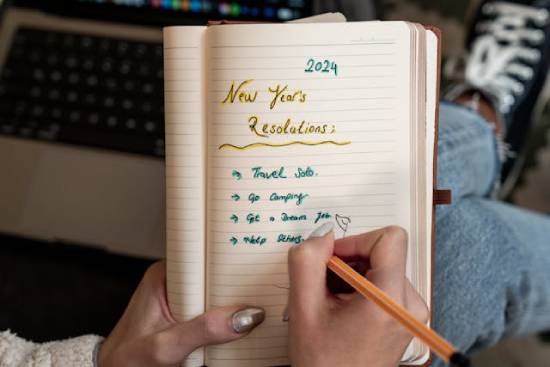
Photo by Ahmed
When we push failures to the back of our minds, we can still experience a lingering sense of shame. The best way to confront this shame and rebuild confidence is to take intentional steps to move forward.
We can:
- Reflect and learn from failure: What went wrong? What can you do differently?
- Set clear goals: Focus on small, achievable steps that lead to progress.
- Shift your focus: Instead of dwelling on mistakes, concentrate on growth.
- Take consistent action: Progress comes through daily practice, not perfection.
- Strengthen your mindset: Replace negative thoughts with truth and purpose.
This process builds resilience, which is the ability to rise again after falling.
Remember, progress is not about avoiding failure but learning how to respond to it. As you take these steps, you’ll begin to see that failure is not holding you back. Rather, it’s preparing you for something greater.
Which leads us to one final, powerful truth…
How God can use failure to shape your character and direction in life
Failure can become one of the greatest tools God uses to shape your life.
While it may feel painful in the moment, it often develops qualities that success alone cannot, such as humility, perseverance, and deeper faith.
Through failure, you learn:
- Dependence on God rather than self
- Greater resilience in facing challenges
- Clearer direction for your future
- A stronger sense of purpose
What once felt like a setback can become a stepping stone. God can use your past mistakes to guide your future decisions, refine your character, and redirect your path.
Romans 8:28 reminds us that God works all things together for good. That includes your failures.
So instead of asking, “Why did this happen?” a better question might be, “What is God teaching me through this?”
When you take this perspective, you’re not letting your failures define you—you’re letting them transform you.
Strengthen your faith and move forward
You are not stuck. You are in a process.
Failure may have been part of your story, but it doesn’t have to be the end. With faith, the right mindset, and intentional steps forward, you can come back with greater strength and purpose.
You don’t have to navigate failure alone. One of the most powerful ways to truly move forward is by deepening your faith and understanding how God sees your journey, even your mistakes.
At Hope for Africa, our Faith section is designed to help you rebuild confidence, strengthen your mindset, and develop the resilience you need to face life’s challenges with hope and clarity.
If you’re wondering where to begin, here are some articles to start with:
- How Do I Rebuild My Faith After Falling Away? – This article will help you rekindle your connection to God. Learn how to rebuild your faith step by step, without being held back by shame or guilt.
- What Does It Mean to Have Faith When Life Is Falling Apart? – This guide will show you how to develop faith and maintain peace even when life feels out of control.
- Can I Still Go to Heaven if I Keep Making Mistakes? – What do we do when it seems like we keep falling into the same bad habits? This article will help you understand how God looks at our mistakes. It will help you see His grace, overcome your fear, and find hope in the transformation He offers us.
Explore the Faith section today and discover practical, Bible-based guidance to help you turn your setbacks into a renewed path toward purpose, growth, and lasting success.