

What Should I Do If I Feel I’m Losing My Faith?
Many people go through seasons when their faith feels weaker than it once did. You may still believe in God, yet find yourself struggling with unanswered questions, personal disappointments, unanswered prayers, or simply feeling distant from Him.
If that’s where you are, you’re not alone. Throughout the Bible, even the faithful experienced moments of doubt, discouragement, and spiritual weariness. The good news is that losing confidence in your faith doesn’t have to mean losing your relationship with God.
This article explores what it means to feel like you’re losing your faith and how the Bible offers hope during those difficult seasons.
You’ll discover:
- Common reasons why faith can feel weak or distant
- What the Bible says about doubt and spiritual struggles
- Practical, biblical steps you can take to strengthen your faith again
- Encouraging examples of people in Scripture who wrestled with doubt
- How God remains faithful even when your faith feels fragile
Let’s begin by looking at why faith can sometimes feel like it’s slipping away.
Common reasons why faith can feel weak or distant
Feeling as though you might lose faith rarely happens overnight. For many people, it is the result of a series of experiences that slowly weaken trust in God. A faith crisis can affect anyone, from new believers, lifelong Christians, and even respected spiritual leaders.
Here are some common reasons people experience doubts:
- Suffering and pain – Personal loss, illness, injustice, or disappointment can leave us asking difficult questions about God’s goodness.
- Unanswered prayers – When God seems silent, it is easy to wonder whether He is listening.
- Intellectual questions – Some people struggle with evidence for God’s existence, difficult Bible passages, or the relationship between science and faith.
- Disappointment with religious people or the church – Negative experiences with Christians or church leaders can make it difficult to separate God’s character from human failure.
- Spiritual neglect – A busy schedule, neglected prayer life, or lack of Bible study can gradually weaken our relationship with God.
- Isolation – Walking through life without supportive friends, family, or a faith community often makes doubts feel much heavier.
If you recognise yourself in any of these situations, remember this: experiencing doubts does not automatically mean you have stopped believing. Often, it means your faith is being tested and refined rather than destroyed.
But here’s the encouraging news: the Bible doesn’t ignore these struggles. Instead, it speaks directly to them.
What the Bible says about doubt and spiritual struggles
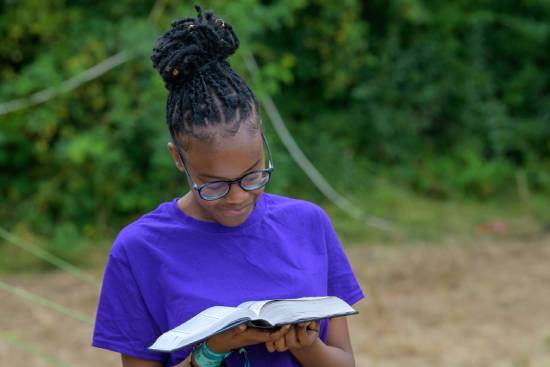
The Bible presents faith honestly. Rather than hiding the struggles of God’s people, it records them openly. This should encourage anyone experiencing a faith crisis.
John the Baptist, who boldly proclaimed Jesus as the Messiah, later sent messengers asking,
“Are You the Coming One, or do we look for another?” (Matthew 11:3, NKJV).
Even after witnessing God’s power, John experienced uncertainty during one of the darkest seasons of his life.
The father of a demon-possessed boy prayed one of the most honest prayers recorded in Scripture:
“Immediately, the father of the child cried out and said with tears, “Lord, I believe; help my unbelief!” (Mark 9:24, NKJV).
His words capture what many people feel today: faith mixed with doubts.
David, often described as a man after God’s own heart, also asked difficult questions. Throughout the Psalms, he expressed fear, loneliness, confusion, and disappointment. Yet instead of abandoning God, he brought every emotion before Him.
These examples remind us that God is not threatened by honest questions. He invites us to seek Him sincerely. James 1:5 assures us that if we lack wisdom, we can ask God, who gives generously to those who seek Him.
Healthy questions can become the pathway to deeper faith when they lead us towards God’s truth instead of away from it.
So, what should you do when your faith feels weak? Scripture offers practical guidance.
Practical, Biblical steps you can take to strengthen your faith again
Rebuilding faith is usually a journey rather than a single moment. While every person’s experience is different, the Bible points to several habits that help strengthen our relationship with God.
- Return to God’s word
Faith grows as we spend time in Scripture. Romans 10:17 tells us,
“So then faith comes by hearing, and hearing by the word of God” (NKJV).
Even if reading the Bible feels difficult, begin with the Gospels. As you spend time getting to know Jesus, your confidence in God’s character will begin to grow.
- Pray honestly
God already knows your fears, doubts, and questions. Honest prayer isn’t a sign of weak faith. It’s an expression of trust. Bring your struggles before Him, just as David, Job, and many others did.
- Stay connected to a faith community
When people are struggling, they often isolate themselves from the church. Yet God designed Christians to encourage one another.
Hebrews 10:24–25 reminds believers not to neglect meeting together because we need mutual encouragement.
Trusted friends, mature believers, and your church family can provide wisdom, prayer, and support during difficult seasons.
- Remember God’s faithfulness
Reflect on the ways God has worked in your life before. Remembering answered prayers, unexpected provision, or moments of spiritual growth can renew hope when your faith feels fragile.
Keeping a journal of God’s faithfulness is one practical way to remind yourself of His unchanging character.
- Seek reliable, bible-based answers
Some doubts require thoughtful investigation. Rather than relying solely on social media or conflicting opinions, seek balanced, Bible-based resources that thoughtfully address your questions.
The more you understand God’s truth, the more confidence you can have in what you believe.
The wonderful thing is that you’re not the first person to walk this path. Scripture is full of people whose faith grew stronger after seasons of doubt.
Encouraging examples of people in Scripture who wrestled with doubt
God has always been patient with people who struggle.
Thomas refused to believe Jesus had risen until he saw evidence. Rather than rejecting him, Jesus lovingly invited Thomas to see for himself (John 20:24–29). Thomas’ doubts eventually gave way to one of the strongest declarations of faith in the New Testament:
“My Lord and my God!” (John 20:28, NKJV).
Elijah experienced deep discouragement after one of his greatest victories. Feeling completely alone, he believed he was the only faithful servant left. Yet God gently reminded him that thousands still remained faithful and lovingly restored his strength (1 Kings 19).
Job endured unimaginable suffering. Although he wrestled with painful questions, he continued seeking God. By the end of his journey, his understanding of God had become even deeper.
These stories remind us that doubts do not disqualify us from God’s love. Often, they become opportunities for spiritual growth, deeper trust, and a stronger relationship with Him.
And perhaps the greatest encouragement of all is that even when our faith feels weak, God’s faithfulness never changes.
How God remains faithful even when your faith feels fragile

Photo by Edwin Andrade on Unsplash
Our relationship with God ultimately depends more on His faithfulness than on the strength of our feelings.
Feelings change. Circumstances change. Questions come and go. But God’s character never changes.
Paul writes,
“If we are faithless,
He remains faithful;
He cannot deny Himself” (2 Timothy 2:13, NKJV).
Jesus understands suffering, rejection, loneliness, and pain because He experienced them Himself. Through His perfect life, sacrificial death, and victorious resurrection, He offers hope to everyone who places their trust in Him.
If you feel as though you’re losing your faith, don’t let your emotions become the final authority. Instead, let them become an invitation to seek God more deeply.
Bring Him your questions.
Search the Scriptures.
Stay connected to your church and faith community.
Allow trusted friends and family to support you.
God is not waiting for perfect faith before He welcomes you. He invites you to come just as you are.
Finding hope when your faith feels weak
Nearly every believer experiences moments when faith feels weak. The important question is not whether doubts will come, but what we do when they arrive.
As we’ve seen, faith can weaken because of suffering, unanswered questions, disappointment, or isolation. Yet the Bible consistently shows that God welcomes honest seekers, provides trustworthy answers, and remains faithful through every faith crisis.
Your doubts do not have to define your future. In fact, they can become the beginning of a deeper relationship with Jesus as you learn to trust Him more fully.
If you’d like to continue exploring this journey, visit our Faith section, where you’ll find practical, Bible-based answers to many of life’s biggest spiritual questions. Whether you’re rebuilding your trust in God, seeking reassurance during a faith crisis, or simply wanting to grow spiritually, you’ll discover thoughtful resources designed to encourage and strengthen your walk with Christ.
A great place to begin is with these articles:
- What Are Signs That My Faith is Growing?
Learn how spiritual growth often happens quietly and discover the biblical signs that your relationship with God is growing—even when you don’t always feel it. - How Do I Experience God’s Presence in My Daily Life?
Discover practical, biblical ways to recognise God’s presence in everyday moments, deepen your relationship with Him, and find peace through daily communion with Christ. - What Does It Mean to Walk by Faith and Not by Sight?
Explore what it means to trust God when life is uncertain, how faith shapes everyday decisions, and why God’s promises remain dependable even when circumstances seem unclear.
As you continue seeking God through His Word, prayer, and a community of believers, you’ll find that faith isn’t about having every answer, but about learning to trust the One who does.
We pray these resources encourage you, answer your questions, and draw you closer to Jesus each day.