

How Do I Build Confidence Without Pretending?
Confidence isn’t about acting fearless, hiding your insecurities, or pretending you have everything figured out. Real confidence begins when you can acknowledge your strengths and weaknesses while being secure in who you are.
From a biblical perspective, it also involves seeing your worth through God’s eyes instead of feeling like you need to prove yourself to everyone around you.
Building that kind of confidence can take time, especially if you’ve been stuck in a cycle of self-doubt or comparison. But it is possible!
Learn:
- What healthy confidence really looks like
- Why pretending to be confident can actually make you feel more insecure
- How to recognise your God-given worth without becoming proud
- How to stop comparing yourself with other people
- How to face fear, failure, and criticism
- Practical habits that can help you become more confident
Let’s take a closer look at what “healthy confidence” means.
What healthy confidence really looks like
Healthy confidence means having a realistic view of yourself while recognising that you still have room to grow.
It isn’t believing you can never fail. It’s about moving forward even when you face hurdles (and about knowing you are inherently valuable, whether you succeed or fail).
It’s important not to confuse confidence with arrogance. Arrogant people typically want to prove that they’re better than others. But people with healthy confidence say, “I know who I am, and I’m still learning.”
Romans 12:3 encourages us not to get caught up in admiring ourselves, but to think with sober judgment. So there’s a balance. You don’t need an exaggerated self-image, but it’s not healthy to constantly put yourself down, either.
This is why healthy self-esteem leaves room for both gratitude and humility. You can recognise what you do well, but be honest about where you still need support.
And that distinction matters, because projecting fake confidence to hide and ignore the parts of ourselves we’re ashamed of can have the opposite effect.
Why pretending to be confident can actually make you feel more insecure

Stylish Woman Sitting in an Old House
Pretending can make you more insecure because it creates a gap between the person you present and the person you believe yourself to be. The larger that gap becomes, the more energy you may spend trying to protect your image.
This outlook can shape the way we tackle job interviews, social situations, relationships, and the classroom. Even though we feel nervous inside, we work hard to make sure nobody notices.
Now, there’s nothing wrong with acting courageously when you feel afraid. We can actually build healthy confidence when we determine not to let our fears hold us back. But there’s a difference between facing our fears and hiding them.
The problem comes when courage turns into pretending—when you feel you must hide every weakness, mistake, or negative emotion to be accepted.
On top of damaging our mental health and relationships, this approach can harm the way we think of ourselves.
Instead of thinking, “I’m nervous, but I can handle this,” your self-talk may become, “If people knew how unsure I really am, they wouldn’t respect me.”
Healthy self-acceptance offers another way. You can acknowledge your feelings without allowing them to control you.
You can say, “I’m nervous about this interview because it matters to me. But I’ve prepared, I’ll do my best, and I can learn from whatever happens.”
But where does this deeper security come from? The Bible points us beyond appearance and accomplishments to something more lasting.
How to recognise your God-given worth without becoming proud
Your worth doesn’t depend on your appearance, career, relationship status, income, popularity, or success. It’s not something we can ever earn. It’s something we’re born with.
Our worth comes from God. We are inherently valuable because we are His precious creations and beloved children.
Psalm 139:14 says, “I will praise You, for I am fearfully and wonderfully made; marvelous are your works, and that my soul knows very well” (NKJV).
Acknowledging that our worth comes from God can completely transform the way we look at ourselves.
Instead of saying:
“I made a mistake, so I’m a failure.”
We can say:
“I made a mistake, but I can learn from it, and it does not erase my value.”
What a relief it is to look to God’s unchanging, unconditional love instead of letting ourselves be defined by fleeting success!
Once you stop focusing on proving yourself, another confidence-killer becomes easier to confront: comparison.
How to stop comparing yourself to other people
Comparing yourself to others isn’t just unfair; it’s unrealistic. It takes different people with different life experiences and attempts to judge them by the same benchmark.
That’d be like having a garden full of different kinds of plants, with different needs and growth times, and expecting them all to reach the same height at the same time.
That’s just not how plants (or people) work!
You can’t be measured by someone else because each of us is one of a kind.
Comparison can sneak up on us, however. It’s easy to see other people’s success and become envious. We might look at our own lives and wonder where we went wrong.
Social media can intensify this problem. You see picture after picture of people celebrating new jobs, engagements, or graduations. They make it look so easy, and all your own goals seem so far out of reach.
Then the thoughts begin:
“Why am I not there yet?”
“What is wrong with me?”
“Everyone is moving forward except me.”
It’s easy to forget that other people’s posts don’t tell the whole story. Everyone goes through challenges, disappointments, and doubts that we never see.
So not only is comparison harmful, accurate comparison isn’t even possible because we can never see the whole picture.
We can do something better with our time than comparing our accomplishments with someone else’s.
Galatians 6:4 advises, “But let each one examine his own work” (NKJV).
Instead of constantly asking how you compare with someone else, focus on your personal progress. How are you doing? Are you learning? Are you growing? Be honest and kind with yourself, celebrating every step forward.
Of course, comparison isn’t the only thing that shakes confidence. Sometimes the greatest test comes when things actually go wrong.
How to face fear, failure, and criticism
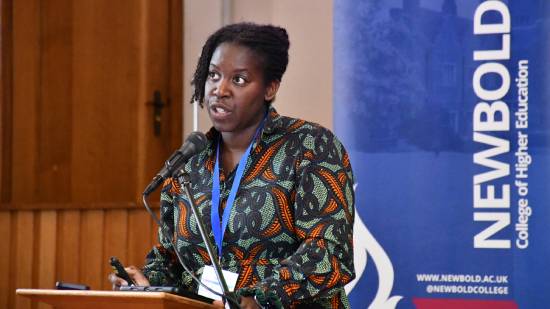
Fear, failure, and criticism can hurt. But just because you face them doesn’t mean there’s something wrong with you, or they’re impossible to overcome.
Think of Peter. He confidently told Jesus that he would remain faithful, yet later denied Him three times (Luke 22:54–62). This was a serious failure on Peter’s part, but it wasn’t the end of his story.
Jesus restored him and entrusted him with responsibility again (John 21:15–17).
In the same way, your mistakes don’t need to define who you are or shut you down.
The next time fear or self-doubt appears, ask yourself:
- What exactly am I afraid of?
- Is this fear based on facts or assumptions?
- What can I learn if things do not go as planned?
- What can I choose to do in spite of my circumstances?
As you ask these questions, you’ll learn that uncomfortable experiences aren’t just survivable. They can pave the way to greater growth and opportunities, if you’d just try again.
That might look like applying for a job even after you’ve been rejected several times. It could also mean facing a difficult conversation in a relationship.
Ultimately, courage is not the absence of fear. It’s choosing your next faithful action despite the fear.
And those courageous actions become even more powerful when they turn into everyday habits.
Practical habits to help you become more confident
Authentic confidence grows through consistent practice. Rather than waiting until you feel confident, you can take action and build habits that strengthen self-acceptance and trust in God.
Here are some ideas:
- Challenge negative self-talk: Pay attention to your thoughts. When you catch yourself saying, “I can’t do anything right,” replace the exaggeration with something truthful: “I struggled with this, but I can learn.”
- Recognise your strengths: Write down abilities, character qualities, and accomplishments you are grateful for. This is not bragging. It helps you develop a more balanced self-image.
- Set realistic goals: Break large goals into manageable actions. Each completed step gives you evidence that progress is possible.
- Move beyond your comfort zone gradually: Confidence develops after action, not before it. Try one manageable challenge at a time.
- Practise self-compassion: Treat yourself with the same patience you would offer someone you care about. Remember, mistakes are opportunities to learn, not reason for endless self-condemnation.
- Choose supportive relationships: Spend time with people who encourage growth, tell you the truth with kindness, and offer support rather than constantly tearing you down.
- Know where your worth comes from: Make prayer, Scripture, and reflection part of your routine. When your identity is rooted in God, other people’s approval won’t carry so much weight.
Philippians 4:13 says, “I can do all things through Christ who strengthens me” (NKJV).
So remember, you can have confidence to face the future because you’re not facing it alone—God is right there with you.
Keep building a healthier, more confident you
True confidence is not a performance.
You will still have moments of self-doubt. You may still experience fear. But you don’t have to wait until every insecurity disappears before moving forward.
You can be honest about where you are, while believing that God can help you grow into the person He created you to be.
Explore the Health section of Hope for Africa for more bible-based guidance on approaching doubt, shame, self-image, and more.
Not sure where to begin? Start with these helpful reads:
- What the Bible Says About How to Deal With Shame and Low Self-Esteem — Have negative thoughts, past mistakes, or feelings of inadequacy affected your self-worth? This article can help you develop a healthier self-image and understand your value in God’s eyes.
- How Do I Take Care of Myself Without Feeling Selfish? — Healthy self-care does not have to mean becoming self-centred. This article will help you think about caring for your needs without unnecessary guilt, so you can approach your well-being with greater balance and self-compassion.
- How Do I Find Motivation to Take Care of Myself? — Knowing what is good for you and actually doing it can be two different things. This article shows you how to develop healthier habits, even when you don’t feel particularly motivated.
Confidence grows through small, consistent choices. So choose one area where you would like to grow and take your next step today.