

How Can I Find Time for Exercise as a Parent?
Between school drop-offs, work deadlines, meal prep, and bedtime routines, finding time to exercise as a parent can feel like searching for a quiet corner in a toddler’s birthday party.
It’s possible, but not without strategy. Yet, looking after your health isn’t a luxury; it’s an essential part of having the energy, strength, and mental clarity to care for your family well.
If you’ve been thinking that, “I just don’t have time,” then this page is for you.
Because in this article, we’ll explore how you can fit in regular exercise even with a jam-packed parenting schedule, walking you through simple, doable steps that can help you build a healthier, more energised life for you and your family.
You’ll discover:
- Why exercise matters for your physical, emotional, and spiritual health
- Practical ways to integrate workouts into daily family life
- Time-saving strategies that turn small moments into fitness opportunities
- How to overcome the guilt or barriers that often keep parents from prioritising themselves
- Biblical encouragement to view caring for your body as an act of stewardship
Let’s start by finding out why exercise matters.
Why exercise matters for your physical, emotional, and spiritual health
Caring for your body is more than chasing fitness goals. It’s about being equipped for the work God has called you to do.
The Bible reminds us that our bodies are not our own:
“Or do you not know that your body is the temple of the Holy Spirit who is in you, whom you have from God, and you are not your own? For you were bought at a price; therefore glorify God in your body and in your spirit, which are God’s” (1 Corinthians 6:19-20, NKJV).
Exercise boosts energy management, helps regulate mood, and supports sleep hygiene—three essentials for parents juggling multiple roles.
Even short workouts, like a 30-second plank or a quick walk around the block, can lift your mood, sharpen your mind, and keep your body strong.
And here’s the good news: You don’t need hours in the gym. Effective exercises can be done in 10–20 minutes, making it easier to fit into your week.
So, how do you actually make this work when family life is always pulling you in ten directions? That’s where the next step comes in, integrating fitness into your everyday routines.
Practical ways to integrate workouts into daily family life

Photo by Vitaly Gariev on Unsplash
The key is not just to schedule workouts but to weave them into what you’re already doing.
Think family workouts in the living room, walking to the park instead of driving, or doing desk exercises while on work calls. Home workouts sessions can happen before the kids wake up or while they’re winding down for bed.
One excellent method is habit stacking. This is linking a workout to something you already do daily. For example, after you brew your morning coffee, do a quick warm-up and cooldown stretch routine. Or during your children’s playtime, sneak in a set of squats or a plank.
When kids see you making fitness a regular part of life, they learn that caring for their bodies is just as important as homework or chores.
But even with family-friendly activities, parents often say, “There’s still no time.” That’s why we need strategies that turn small moments into real fitness opportunities.
Time-saving strategies that turn small moments into fitness opportunities
This is where time blocking and workout planning become your best friends.
Use your lunch breaks for quick strength training circuits, or do a 10-minute yoga flow before dinner. Keep resistance bands or dumbbells in easy reach for impromptu sessions.
Even small bursts of movement count. Try a 30-second plank while waiting for the oven timer, or take a brisk walk during a phone call. Weekly workouts don’t need to be long; they need to be consistent.
And remember, fitness tracking tools can help you stay accountable. Seeing your progress on an app or journal keeps motivation high and encourages consistency.
Of course, making time is only part of the challenge. Many parents still wrestle with guilt or mental barriers that stop them from prioritising themselves.
Overcoming the guilt or barriers that keep parents from prioritising themselves
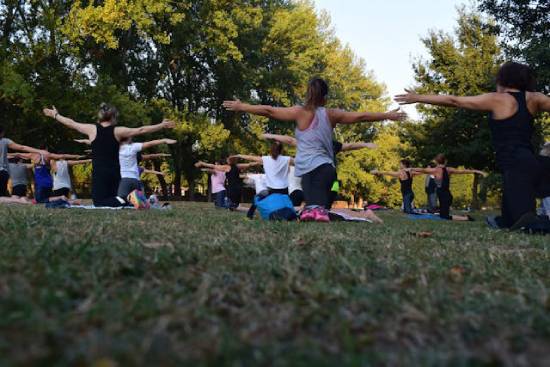
Photo by Rui Dias
One of the biggest obstacles for parents is the feeling that taking time to exercise is selfish. Yet in reality, when you invest in your health, you have more energy, patience, and joy to give your family.
Here’s where accountability can help. Whether it’s a workout buddy, an online support group, or even your children cheering you on, having others encourage you makes a huge difference in staying motivated.
Remember, exercise doesn’t have to be perfect to be effective. Some weeks you may hit all your fitness goals, and others you may just manage a couple of home workouts. What matters is showing up for yourself and keeping a long-term view.
When you see exercise through God’s eyes, as a way to honour Him, you’ll find it easier to prioritise without guilt.
Biblical encouragement: caring for your body as stewardship
God calls us to make good use of every gift He gives, including our health.
Proverbs 31:17 describes a wise woman as one who “girds herself with strength.” While the context is about diligence, it also reminds us that strength—both physical and spiritual—takes intentional effort.
Whether through short workouts, strength training, or peaceful moments of yoga, you are not just exercising; you are preparing yourself to serve better, love deeper, and live longer for those entrusted to your care.
The path to consistent fitness as a parent isn’t about chasing perfection. It’s about weaving effective exercises into your rhythm, guarding your sleep hygiene, and letting your body be a living testimony of gratitude to God.
Stronger for those who matter most
Your schedule may be full, but your health is worth making space for.
Start small. Add one 10-minute home workout this week, take a walking break tomorrow, or try a 30-second plank today. Over time, those small steps will add up to a life of strength, energy, and joy, for you and your family.
If you’re ready to dive deeper into building a healthier lifestyle, explore the Health section of Hope for Africa. You’ll find practical, Bible-based guidance on fitness, nutrition, and whole-person wellness that fits into real life.
Here are three great reads to start with:
- Secrets of Living a Long, Healthy Life – Discover biblically inspired habits and modern health principles that promote longevity, resilience, and vibrant living.
- Practical Tips for Creating a Healthy Routine – Learn how to design a daily schedule that balances physical activity, healthy eating, rest, and spiritual nourishment.
- Exercise: Why You Need to Keep Moving – Understand the science and spiritual motivation behind staying active, and find simple ways to keep your body moving every day.
Each of these resources will give you actionable steps, spiritual encouragement, and evidence-backed insights, helping you not only take care of your body but also strengthen your mind, spirit, and relationships.