

How Can I Give to Others When I Don’t Have Much?
Ever felt the nudge to help someone but hesitated because your own resources felt too limited?
In a world where giving is often measured in money or material possessions, it can be discouraging to want to bless others while barely making ends meet yourself. But what if giving isn’t just about how much you have, but how willing you are to share it?
This article explores the heart of biblical generosity for those who don’t have much to spare. Whether you’re a student living on a shoestring budget, a parent juggling bills, or a young professional navigating career uncertainties, there’s still a meaningful way for you to give, and it matters deeply to God.
In this article, you’ll discover:
- What the Bible really says about giving when you don’t have much
- Why your attitude matters more than the amount
- Creative, non-monetary ways to give that still have an eternal impact
- Encouragement for navigating guilt, pressure, or comparison around generosity
- A biblical reminder of God’s provision and how it empowers you to give in faith
Let’s explore how true, meaningful generosity is still possible, even when you don’t have much to give.
What the Bible really says about giving when you don’t have much
God never overlooks small gifts offered with sincere hearts. In fact, Scripture consistently uplifts those who give from a place of humility and sacrifice.
- The widow of Zarephath shared her last meal with Elijah and witnessed a miraculous provision (1 Kings 17:8–16).
- The poor widow at the temple gave less than a coin, yet Jesus praised her above all (Luke 21:1–4).
- Jesus Himself taught, “It is more blessed to give than to receive” (Acts 20:35, NKJV).
The Bible invites us to see giving not as a financial obligation, but as an act of faith, love, and worship.
So, how can we respond?
We begin by considering ways to give that align with our current reality, not what we wish we had, but what’s already in our hands.
If the Bible affirms giving regardless of wealth, then it must mean the heart behind the gift matters most.
Why your attitude matters more than the amount

Image by Polina Tankilevitch
Your mindset—whether it’s filled with kindness, hope, or joy—can have a greater impact than the gift itself.
Many people delay giving because they feel they don’t have enough. This is rooted in a scarcity mindset—the belief that there’s never enough to go around. But biblical giving begins with gratitude. It’s about seeing what you do have and asking, “Who could I bless with this?”
Examples of gifts that cost nothing but carry deep meaning:
- A handwritten note to express appreciation
- Offering emotional support to a struggling friend
- Sharing your story with someone facing a similar battle
These forms of generosity are powerful and deeply needed in today’s community-starved world.
So what are some other examples of giving without spending?
Creative, non-monetary ways to give that still have an eternal impact
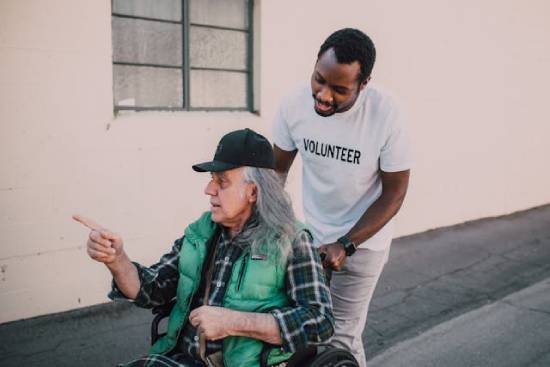
Image by RDNE Stock project
Here are simple steps you can take that require little or no money, yet deliver life-changing impact:
- Donate items you no longer use
- Old clothes, books, and household items can be a blessing to someone else.
- Consider giving to a local charity, food pantry, or shelter.
- Volunteer your time
- You could help with childcare at church or a community event.
- Serve as an usher, clean up after gatherings, or simply help run errands.
- Offer your skills
- Know how to bake, sew, fix tech, or speak well? These are gifts!
- Utilise your talents to mentor, tutor, or coach someone who’s just starting out.
- First aid and caregiving support
- Get first aid training and be someone’s helper in an emergency.
- Support neighbours or church members who need help caring for children, the sick, or the elderly.
- Donate blood
- One donation can save multiple lives—a powerful gift that costs nothing but time.
- Spend time intentionally
- Visit the elderly. Sit with someone who’s grieving. Be present for a friend going through a hard time.
In all these ways, you’re donating your most valuable resource: yourself.
Encouragement for navigating guilt, pressure, or comparison around generosity
Despite how valuable donating your skills and your time is, we can still feel like we aren’t doing enough, especially when we compare our giving to someone else’s.
Maybe you’ve thought:
- “I wish I could donate a bigger amount.”
- “Others are doing more than I can right now.”
- “Will this even make a difference?”
But the truth is that comparison kills compassion.
God doesn’t measure your giving by what someone else gave. He sees your willingness. Your heart. Your intent.
Whenever guilt or pressure creeps in, remember:
- Every act of kindness counts—whether it’s money, service, or simply being there.
- Giving isn’t about perfection—it’s about presence.
- Even Jesus said a cup of cold water given in His name would not go unnoticed (Matthew 10:42).
So let go of pressure. Give what you can with joy. And trust God with the impact.
When we give, we’re not giving from lack, but from trust —even when it’s little.
A biblical reminder of God’s provision and how it empowers you to give in faith
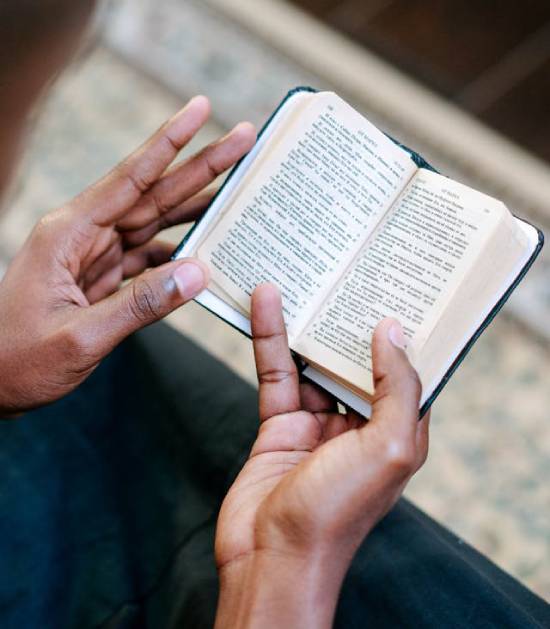
Image by Ivan S
Generosity, at its core, is an expression of faith in God’s ability to provide for both the giver and the receiver.
The Bible reminds us:
“And my God shall supply all your need according to His riches in glory by Christ Jesus” (Philippians 4:19, NKJV).
When you choose to live generously, even with the little you have, you create room for God’s provision to flow through you.
You don’t need more money to be a generous person. You just need an open heart, a willing spirit, and the courage to take the first step.
You have more to give than you think
Generosity isn’t limited by income. It’s fuelled by compassion, creativity, and gratitude.
You may not have a lot of money, but you do have time, skills, kindness, and faith. These are priceless gifts the world desperately needs.
So today, take one simple step:
- Volunteer
- Donate items you’re not using
- Spend time with someone lonely
- Express appreciation
- Or just consider ways you can be the light in someone’s darkness
Want to give more freely? Start by strengthening your financial foundation
Generosity becomes even more joyful when you have a clear plan for your finances. At Hope for Africa, our Finance Section is filled with Bible-based guidance to help you manage your money with wisdom, purpose, and faith.
Whether you’re navigating your first job, working on a budget, or trying to break free from a scarcity mindset, these practical articles will equip you with the tools you need to give without fear and live with clarity.
Here are three powerful reads to get you started:
- Tips to Attaining Financial Independence As a Young Person – Discover actionable steps you can take—even with a small income—to start building financial freedom early in life. This article is ideal for young adults looking for direction about income, budgeting, and long-term planning.
- Tips for Financial Wellbeing – This article goes beyond just saving money. It helps you understand how to align your financial decisions with your spiritual and emotional wellbeing. Ideal for anyone seeking to balance faith and finances for a healthier, stress-free lifestyle.
- Ways to Save Money as a Youth – You don’t need a high income to start saving—you just need the right mindset. This piece provides straightforward, relatable tips for reducing spending, avoiding impulse purchases, and cultivating habits that foster long-term financial growth. Ideal for students, interns, or job-seekers working with a tight budget.
You don’t need to wait for more to start giving. Start now. Start small. And watch God multiply your impact.