

Can Prayer Help With Chronic Pain or Illness?
When the body is weary and the pain doesn’t go away, it’s easy to feel alone—spiritually, emotionally, and even physically.
For those living with chronic pain or illness, the daily struggle goes beyond just managing symptoms; it’s about maintaining hope, dignity, and meaning in the midst of suffering. You may have tried various treatments, sought advice, or asked difficult questions like, “Why me?” or “Where is God in all this?”
If you or someone you love is walking through a season of chronic pain or illness, keep reading. This article explores whether prayer—specifically Bible-based, personal, and persistent prayer—can truly help those dealing with long-term physical suffering.
You’ll discover:
- What the Bible says about prayer and healing
- Examples of people in Scripture who dealt with chronic suffering
- The mental and spiritual benefits of a regular prayer practice
- How prayer can provide peace even when physical healing doesn’t come
- Practical steps to integrate prayer into your pain management journey
Let’s begin with what the Scripture says about prayer and healing..
What the Bible says about prayer and healing
The Bible presents prayer not only as a means of communication with God but as a powerful spiritual tool that aligns the heart with divine will.
The Bible recommends prayer, especially when we’re unwell:
“Is anyone among you sick? Let him call for the elders of the church, and let them pray over him, anointing him with oil in the name of the Lord. And the prayer of faith will save the sick, and the Lord will raise him up. And if he has committed sins, he will be forgiven” (James 5:14-15, NKJV).
This shows the early Christian understanding that prayer was intimately tied to healing—not as a magic formula, but as a faith-based response to illness.
Scripture also reveals that healing can come in various forms: physical restoration, emotional peace, or spiritual renewal. In some cases, healing is immediate. In others,
God uses illness to grow faith, deepen character, or draw people closer to Himself. The outcomes may differ, but prayer always fosters a deeper connection to God’s presence, which, in itself, is healing.
Next, let’s see how biblical figures dealt with ongoing suffering and what we can learn from them.
Examples of people in Scripture who dealt with chronic suffering
Not all healing in the Bible was instantaneous. The apostle Paul famously wrote about a “thorn in the flesh” (2 Corinthians 12:7-10)—a persistent affliction that he asked God to remove three times. God’s reply was not physical healing, but a spiritual promise: “My grace is sufficient for you, for My strength is made perfect in weakness.”
Job endured unimaginable physical and emotional pain, yet through his lament and ongoing dialogue with God, he experienced a transformation that brought him closer to God’s character.
Even Jesus, in the Garden of Gethsemane, experienced overwhelming emotional distress before His crucifixion, yet turned to prayer in His darkest hour.
These stories remind us that spirituality does not protect us from suffering. Instead, it does transform how we endure it. Faith does not always change our health outcomes, but it can change us in the process.
But what about today? Let’s explore how prayer affects our mental and emotional well-being.
The mental and spiritual benefits of a regular prayer practice

Image by Korede Adenola
Research into the mind-body connection increasingly supports what many believers already know: prayer can enhance quality of life. While prayer may not replace treatment, it complements it by lowering anxiety, easing depression, and promoting peace of mind.
This isn’t just anecdotal; studies have found that intercessory prayer and personal belief in God can positively affect mood and mental health—even when physical healing doesn’t happen.
From a psychological perspective, prayer reduces stress by shifting focus from internal distress to a higher power who cares. It encourages mindfulness, gratitude, and release of control—all known mechanisms for improving emotional resilience. Spirituality, in this case, becomes a stabilising force amid the chaos of illness.
Even sceptics acknowledge the “placebo effect” of faith—yet for the believer, prayer is far more than a placebo. It is rooted in relationship, not superstition; in trust, not technique.
Still, what happens when healing doesn’t come? Is prayer still worth it? Let’s find out.
How prayer can provide peace even when physical healing doesn’t come
The question of unanswered prayer is one of the hardest in religion. Chronic illness often brings feelings of disappointment, confusion, or even spiritual doubt. But biblical faith does not guarantee healing. It guarantees God’s presence.
The real miracle may not be the removal of pain, but the ability to live meaningfully despite it.
In Philippians 4:6-7, Paul writes, “Do not be anxious about anything, but in every situation, by prayer and petition, with thanksgiving, present your requests to God.” What follows is not a promise of healing, but of peace: “And the peace of God, which transcends all understanding, will guard your hearts and your minds in Christ Jesus.”
Prayer gives you a space to be heard, to release burdens, and to receive divine strength. It anchors you when treatment fails, outcomes are unclear, and the future feels uncertain. It doesn’t ignore suffering. It walks with you through it.
So how can you start weaving healing prayer into your daily rhythm? Let’s explore that next.
Practical steps to integrate prayer into your journey
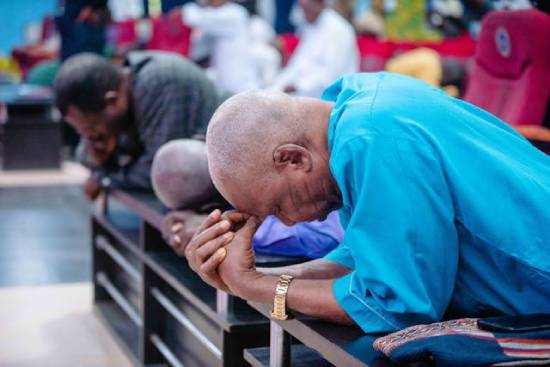
Image by Tosin Superson
Prayer doesn’t have to be complicated or perfect. What matters is consistency and authenticity.
Here are some steps to get started:
- Start with honesty. Tell God exactly how you feel—pain, confusion, fear, even anger. God can handle your truth.
- Use Scripture as a framework. Pray through passages like Psalm 23, Isaiah 40:31, or Matthew 11:28-30. Let God’s Word shape your thoughts.
- Schedule prayer moments. Whether it’s morning, midday, or before bed, regular prayer times can be healing rituals for your soul.
- Invite others to pray for you. Intercessory prayer from friends or faith communities adds emotional support and strengthens the connection.
- Pair prayer with treatment. Don’t see faith and medicine as opposites. Let prayer be a complementary part of your recovery.
- Keep a prayer journal. Track your thoughts, prayers, and what God might be teaching you through the process.
You might not control the pain, but you can choose to respond with faith. And that decision, over time, may make all the difference in your quality of life.
A healing beyond the body
Prayer may not always change your condition, but it can change your heart.
For many believers walking through chronic illness, healing comes not just in the body, but in their mindset, relationships, and walk with God.
So, can prayer help with chronic pain or illness? Yes, in more ways than one. Through the lens of faith, even unanswered prayer becomes a path to peace, perspective, and presence.
Want more Bible-based insights for your life journey?
Start exploring the Health and Faith sections on Hope for Africa for more uplifting content that integrates biblical wisdom with practical support for your well-being.
Here are some suggested reads to begin with:
- How Can I Have Strong Faith? – Discover how to deepen your relationship with God, especially during seasons of uncertainty and illness.
- Do Prayers Work? – This article explores the biblical and real-life evidence for the power of healing prayer and intercession.
- Can I Find Healing for My Trauma? – Learn how to process emotional pain and past wounds with God’s help, and begin your journey to restoration.
Each of these resources is designed to strengthen your faith, offer practical guidance, and remind you that you are not alone—no matter what pain or illness you face.