

What Does the Bible Teach About Respecting Parents Who Hurt You?
Honouring your father and mother is one of the Ten Commandments, often quoted and deeply ingrained into Christian teachings. But what happens when your parents are the source of your emotional (or physical or spiritual) pain?
For many, this question isn’t hypothetical. It’s real, personal, raw, and unresolved.
But know that you’re not alone, and there is biblical guidance on how to regard parents who have failed you.
Let’s find out what Scripture says about navigating the tension between honouring parents without ignoring pain, and while protecting your emotional and spiritual well-being.
Whether you’re healing from a complicated past or struggling with current family dynamics, here’s what we’ll cover:
- What “honour” really means in the Bible (Hint: It’s not the same as obedience)
- Examples of complex parent-child relationships in Scripture
- Healthy boundaries and forgiveness
- When honour looks like truth-telling, distance, or prayer
Let’s dive into Scripture together and discover how God’s Word offers both clarity and compassion for this challenging journey, starting with what the Bible says about honour.
What “honour” really means in the Bible
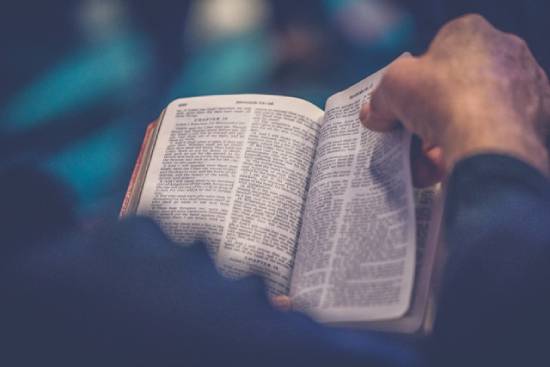
The fifth of the Ten Commandments says:
“Honour your father and your mother, that your days may be long upon the land which the Lord your God is giving you” (Exodus 20:12, NKJV).
But what does it mean to honour parents when the parent-child relationship is marred by hurt, neglect, or even abuse? Does God expect adult children to obey or submit to abusive parents without question?
In Scripture, honour (from the Hebrew word kabed) means to give weight or value to someone—to treat them with respect, not necessarily agreement.
Honouring parents doesn’t always mean doing what they say, especially when it involves sin, emotional harm, or manipulation. It means recognising their God-given role in your life while acknowledging that they are also humans, and their authority does have limits—especially if it endangers your spiritual, emotional, or physical well-being.
Honour is not the same as obedience. While obedience can be one of many ways of showing honour, they are different words with different meanings.
The Torah commands us to honour our parents, but also to reject sin and injustice (Leviticus 19:17). Jesus Himself challenged traditional views of family allegiance, saying, “…whoever does the will of My Father in heaven is My brother and sister and mother” (Matthew 12:50, NKJV).
When parents are dysfunctional or abusive, honour may look like praying for them, speaking truth with love, or choosing restraint instead of revenge.
Honouring them does not mean tolerating continual abuse or compromising your health.
Now let’s look at some complicated relationships between parents and children in the Bible.
Examples of complicated parent-child relationships in Scripture
The Bible doesn’t shy away from messy family dynamics. In fact, many parent-child relationships in Scripture are deeply flawed, yet still full of opportunities for learning and growth.
- Twins Jacob and Esau faced favoritism from their parents, Isaac and Rebekah, which led to deception, conflict, and estrangement (Genesis 25:27-28; 27; 28:1-9).
- David and Absalom struggled with authority, discipline, and unresolved anger, ending in tragedy (2 Samuel 13-18).
- Joseph was unfairly favored by his father Jacob, who also had 11 other sons. Joseph had to endure his brothers’ betrayal. But he later reconciled with them, choosing forgiveness over revenge (Genesis 37, 39, 42-47).
These stories show us that honouring imperfect parents is possible, even in the midst of pain, injustice, or confusion. Children are not called to cover up sin or to pretend that harm never happened. Instead, they are invited to seek God’s help in navigating broken relationships as they pursue healing and truth.
If you’ve experienced trauma or neglect, know that you’re not alone. God sees your pain and does not call you to suffer in silence. Through the Holy Spirit, He empowers you to speak truth, seek support, and pursue a path that breaks destructive cycles.
So how can adult children honour parents while protecting themselves from harm? One word: boundaries.
Healthy boundaries and forgiveness: How to obey God while staying emotionally safe

Photo by cottonbro studio
Setting boundaries is not a dishonour; it is a safeguard. The goal is for health boundaries that allow you to love imperfect parents without enabling their unhealthy behaviors.
Suppose a parent tells you to do something inappropriate, manipulative, or that causes physical harm. Know that your obedience to God is the higher priority (Acts 5:29). So choosing not to obey a harmful command doesn’t mean you are committing sin. That doesn’t mean it will be easy to go against what a parents says, but it does mean that you don’t have to feel guilt as if you did something morally wrong.
Forgiveness is also a key biblical principle. But forgiveness is not the same as trust. Trust must be rebuilt, and sometimes, due to repeated abuse, reconciliation isn’t possible.
God does not require you to stay in unsafe situations to prove your love or loyalty. Instead, He invites you to pursue forgiveness in your heart while practicing wisdom in your relationships.
Boundaries can look like:
- Limiting contact with abusive parents
- Speaking honestly about how their actions affected you
- Seeking help from Christian counselors or support groups
- Praying for them while keeping a safe distance
Jesus regularly set boundaries with people who sought to control, harm, or manipulate Him. Following His example, you too can love and respect without sacrificing your well-being.
There are times when the most honourable thing you can do is tell the truth.
When honour looks like truth-telling, distance, or prayer
Silence can enable dysfunction. Speaking up, especially in love, can be an act of both courage and honour. Proverbs 27:6 reminds us, “Faithful are the wounds of a friend, but the kisses of an enemy are deceitful” (NKJV).
If your relationship with your parents has been strained by abuse or neglect, it is not dishonourable to take a step back. Creating emotional distance can be a way of honouring what God values: justice, healing, and wholeness. And in some cases, honouring parents simply means praying for them, especially when communication is unsafe or impossible.
Remember that love can take many forms. Sometimes it’s speaking words of blessing. Other times, it’s quietly asking God to work in their hearts while you heal.
You can also honour your parents by improving upon their legacy. By resolving not to repeat unhealthy familial patterns, and finding the support you need to do so…you do them great honour, even if they failed you.
Hope for healing and restoration through Christ
The Bible never promises that every broken relationship will be restored. But it offers something even greater: the healing of your heart, the mending of your identity, and the assurance that the dysfunction in your family does not define you.
Christ came to restore what sin has broken. That includes trauma, neglect, anger, and generational pain. As adult children seeking to live in obedience to God, we are not called to fix our parents, but to follow Jesus—who heals, redeems, and walks with us through the pain.
If you are struggling in your relationship with your parents, remember that honour doesn’t mean pretending everything is okay. It means choosing love over bitterness, truth over silence, and God’s voice over guilt or shame.
You don’t have to walk this path alone. Pray anytime, seek help, find community, and trust the Holy Spirit to guide you. With time, truth, and grace, healing is possible, and your story can become one of redemption and strength.
Looking for more biblical guidance on family dynamics and parenting?
Head over to the Family section of Hope for Africa to find more Bible-based insights on how to nurture healthy relationships and break destructive cycles.
Here are a few recommended reads to get you started:
- “What Does It Mean to Honour and Respect Your Elders?”
Discover how biblical honour applies to elders in today’s world, especially in challenging relationships. This read offers clarity on how respect and boundaries can co-exist without guilt. - “How Do I Get My Kids to Listen Without Shouting?”
Learn gentle, biblically sound discipline strategies that build trust and cooperation without yelling. Perfect for parents seeking to raise children with love and authority. - “How Do I Set Rules For My Kids Without Being Too Strict?”
Explore how to establish firm yet compassionate boundaries that encourage obedience, respect, and emotional safety—all while nurturing your child’s heart.
These resources are designed to support you in your healing, parenting, and faith journey. You are not alone, and God has wisdom for every relationship.