

What Should I Do When My Family Feels Disconnected?
There are few things more painful than feeling distant from the people you love most. You may live under the same roof, share meals, and go through daily routines, yet still sense that something is missing. Conversations feel shallow, tensions linger, and genuine connection seems harder to come by.
Family disconnection can grow quietly, often fuelled by busy schedules, unresolved conflict, technology overload, or emotional exhaustion. The good news is that the Bible doesn’t ignore these struggles. It offers timeless wisdom and practical guidance for restoring relationships, rebuilding trust, and nurturing love within the home.
In this article, you’ll discover Bible-based insights that help you understand why family disconnection happens and what you can do about it.
We’ll explore:
- Common reasons families drift apart emotionally
- What the Bible teaches about unity, love, and communication in the home
- Practical, faith-filled steps to reconnect with your spouse, children, or relatives
- How small, intentional changes can begin healing and strengthening family bonds
Let’s dive in.
Common reasons families drift apart emotionally
Family disconnection often begins quietly. There may be no single conflict or dramatic event, just a slow erosion of emotional connection over time.
One of the most common causes is a lack of shared time. Busy schedules, work demands, school pressures, and social commitments can leave family members living parallel lives rather than shared ones. Parents may be physically present but emotionally unavailable, while children or siblings retreat into their own worlds.
Another factor is unresolved conflict. When disagreements are ignored rather than addressed, negative feelings build up. Over time, this can lead to emotional detachment, resentment, or even estrangement between family members. In some families, this shows up as sibling estrangement, where brothers and sisters stop communicating meaningfully.
Technology and social pressures also play a role. Constant screen time can replace real conversation, weakening family connections and limiting emotional expression. In unhealthy family environments, members may stop feeling safe enough to share their true feelings.
Left unaddressed, these patterns can affect mental health, creating stress, anxiety, or a persistent sense of loneliness, even while surrounded by people.
Once we understand why families drift apart, the next step is discovering what guidance Scripture offers for restoring connection and healing strained relationships.
What the Bible teaches about unity, love, and communication in the home

Photo by Tosin Superson
The Bible places strong emphasis on family relationships, not as perfect systems, but as spaces where love, grace, and growth are meant to flourish.
The Psalmist emphasizes this point in a general sense when he says, “Behold, how good and how pleasant it is For brethren to dwell together in unity!” (Psalms 133:1, NKJV).
Scripture consistently highlights love as an action, not just a feeling (1 Corinthians 13).
Biblical love involves patience, kindness, and humility; qualities that are essential when family members feel disconnected. Rather than withdrawing emotionally, the Bible encourages intentional engagement, even when it feels difficult.
Communication is also central. The Bible teaches the importance of listening, speaking gently, and seeking peace (James 1:19-20).
Many family conflicts escalate not because of the issue itself, but because of how people communicate. Harsh words, silence, or emotional shutdown can deepen disconnection.
Importantly, the Bible acknowledges broken relationships and emotional pain. It recognises that families can become unhealthy, divided, or strained, but it also offers hope for reconciliation. Unity doesn’t mean the absence of conflict; it means choosing connection over avoidance and love over pride.
Understanding biblical principles is essential, but knowing them is only part of the journey. The next step is learning how to apply this wisdom in practical, everyday ways that rebuild trust and closeness.
Practical, faith-filled steps to reconnect with your family
Rebuilding family connections doesn’t require dramatic gestures. In fact, healing often begins with small, consistent actions that create emotional safety over time.
Start by creating intentional moments together. Shared meals, short family check-ins, or even simple activities help restore a sense of togetherness. These moments communicate value and presence, especially to children and siblings who may feel overlooked.
Next, make space for honest feelings. Encourage family members to express their emotions without fear of judgment. Listening—truly listening—can soften hardened hearts and reduce emotional detachment. When people feel heard, connection naturally begins to grow.
Address conflict directly but gently. Avoid blaming language, and focus instead on understanding. In situations of deep estrangement or long-standing sibling conflict, reconciliation may take time, and that’s okay.
There are also moments when professional support is wise. Family therapy or counselling can provide tools for communication, emotional healing, and restoring healthy relationships. Seeking therapy is not a sign of failure; it’s a step toward wholeness and support.
As these steps are practiced consistently, something powerful begins to happen; small changes start producing meaningful transformation within the family.
How small, intentional changes can heal and strengthen family bonds
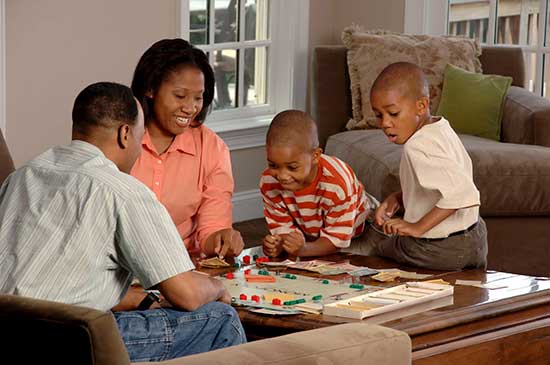
Photo by National Cancer Institute on Unsplash
Lasting change in family relationships is rarely instant. But small, intentional actions—repeated over time—can completely reshape the family experience.
When parents model humility, openness, and emotional availability, children and siblings often follow. A simple apology, a thoughtful question, or choosing connection over distraction can shift the emotional atmosphere of the home.
These small changes help create a sense of safety and belonging, even in families that have experienced emotional distance or unhealthy patterns. Over time, trust is rebuilt, conversations deepen, and family members begin to support one another again.
Strong family connections don’t mean life becomes perfect. Challenges will still come. But when emotional bonds are restored, families are better equipped to face stress, protect mental health, and grow together through every season of life.
There is hope for your family
If you feel disconnected from your family, don’t lose heart. Disconnection is an experience, not a permanent state. With patience, faith, and intentional effort, it’s possible to create renewed connection, heal emotional wounds, and strengthen the relationships that matter most.
You don’t have to walk this journey alone. With biblical wisdom, practical steps, and the right support, your family can move from distance to closeness, one step at a time.
If this article resonated with you, you don’t have to stop here. Healing and strengthening family relationships is a journey, and the Family section on Hope for Africa (HFA) is designed to walk that journey with you.
To get started, here are three recommended reads that build directly on what you’ve just learned:
- How Do I Keep My Family Together During Hard Times? – This article helps you understand how pressure, stress, and uncertainty can strain family relationships, and what you can do to protect unity during difficult seasons.
- What Are Some Ways to Have Fun With My Family at Home? – Connection isn’t built only through serious conversations; it also grows through shared joy. This article shows how simple, intentional moments can strengthen family bonds.
- How To Handle Family Disagreements as a Christian – Conflict is inevitable in family life—but it doesn’t have to lead to emotional detachment or estrangement. This article offers biblical tools to navigate disagreements in healthy ways.
Explore the Family section on HFA today and continue building a home marked by connection, support, and lasting love.