

Is It Okay to Have Questions About My Faith?
Doubts. Questions. Uncertainties. Most of us experience them at some point in our faith journey.
Whether it’s wrestling with God’s silence during difficult times, struggling to reconcile science with Scripture, or simply wondering why specific prayers go unanswered—these questions can feel unsettling. But what if asking them is not a sign of weak faith, but rather the beginning of a deeper, more personal relationship with God?
If you’ve ever whispered, “Is it okay to feel this way?,” keep reading.
In this article, we’ll explore why questioning your faith is not only normal but biblical.
You’ll discover:
- Why even heroes of the Bible had moments of doubt
- How God responds to honest questions
- The difference between questioning in search of truth and abandoning faith
- Practical steps for navigating spiritual uncertainty with hope
- Bible-based answers that provide clarity and peace during seasons of doubt
Let’s begin with the example of heroes of faith.
Even heroes of the Bible had moments of doubt
You’re not alone. Even the disciples questioned. Even the prophets wrestled. Even the boldest believers struggled.
When you read through the Bible, you’ll see that spiritual doubt is not a modern-day weakness. It’s woven into the stories of Scripture.
Peter, one of Jesus’ closest friends, denied Him three times, even though he had walked on water with Him (Matthew 26:69-75).
Thomas, another disciple, famously said, “Unless I see in His hands the print of the nails, and put my finger into the print of the nails, and put my hand into His side, I will not believe.” (John 20:25, NKJV)—earning the nickname “Doubting Thomas.”
John the Baptist, who had once proclaimed Jesus as the Lamb of God, later sent messengers to ask, “Are You the Coming One, or do we look for another?” (Luke 7:19, NKJV).
David, with striking raw honesty in the Psalms, questioned God, expressed despair, and yet remained “a man after God’s own heart.”
These stories remind us that doubt is not the opposite of faith. Instead, it’s often a bridge toward a more authentic relationship with God.
But if biblical figures questioned God, how did God respond to them?
God responds to honest questions with grace
God is not intimidated by your questions. In fact, He welcomes them.
In the Bible, we find that God responds differently to questioning rooted in rebellion versus that rooted in a sincere heart seeking.
When Thomas questioned Jesus’ identity, Jesus didn’t shame him. He said, “Reach your finger here, and look at My hands; and reach your hand here, and put it into My side. Do not be unbelieving, but believing” (John 20:27, NKJV). Jesus met Thomas in his unbelief and invited him into deeper faith.
Likewise, in 1 Corinthians 13:12, Paul acknowledges that we now “see through a glass, darkly”—an honest admission that Christians do not have all the answers on this side of eternity.
God invites us to bring our doubts into the light because He knows that faith without questions can become stagnant. It is in the wrestle that we grow. It is through asking that we begin to truly understand.
So, what’s the difference between sincere seeking and turning away in doubt?
There’s a difference between seeking truth and abandoning faith

Image by cottonbro studio
Questioning faith is not the same as walking away from it.
To question is to want to understand more. To abandon is to reject a relationship. And God always honours the seeker.
The Bible says:
“But without faith it is impossible to please Him, for he who comes to God must believe that He is, and that He is a rewarder of those who diligently seek Him” (Hebrews 11:6, NKJV).
Having faith doesn’t mean you won’t ever struggle. It means continuing to seek God even when the answers don’t come quickly.
The danger is not in asking hard questions. The danger lies in giving up on the search altogether. In contrast, those who dare to bring their questions to God are the very ones who experience His truth most deeply.
So how can you move forward when your faith feels shaky?
Practical steps for navigating spiritual uncertainty with hope
Here’s how to move forward when you’re doubting God or feeling stuck in unbelief:
- Start with Scripture: Go to God’s Word for clarity, not just online forums. Many questions are addressed throughout the Bible when you take time to listen. Start with Psalms for emotional honesty or read Hebrews 11 to learn from faith-filled believers who didn’t have all the answers.
- Talk to God honestly: Prayer isn’t just for praise. It’s also for pain. Say, “God, I’m struggling. Help my unbelief.” You’re echoing the words of the father in Mark 9:24, who cried out to Jesus, and Jesus responded with compassion.
- Seek wise counsel: Find mature believers, spiritual mentors, or online communities like HFA’s that can walk alongside you in love—not judgment.
- Take one step at a time: You don’t have to have it all figured out. Keep walking. Keep reading. Keep asking. God honours the journey as much as the destination.
But what about when the silence still lingers and your questions remain unanswered?
Bible-based answers that bring clarity and peace
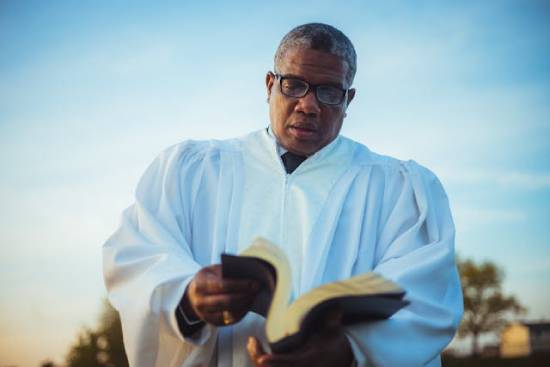
Image by Samuel Peter
God’s answers don’t always come the way we expect, but they come.
Sometimes God answers our doubts through Scripture. Other times, through people. Often, it’s through life experience and reflection. But always, He points us back to Jesus.
When we understand that sin darkened our ability to grasp spiritual things fully, it makes sense why doubt exists. But Jesus—the Light of the world—came to restore that clarity.
When you feel overwhelmed, go back to the cross. The cross is where God answered the deepest human question: “Do You care?”
Yes. He does.
And for every other question—about purpose, identity, suffering, or the future—God provides insights in His timing. As 1 Corinthians 2:10 reminds us, the Spirit reveals truth to those who belong to Christ.
So, keep seeking. Keep asking. And above all, keep walking with Jesus.
Doubt is a doorway, not a dead end
To question is to seek. To seek is to grow. To grow is to believe.
Doubt is not a sign that you’ve failed as a believer—it’s often the very thing that deepens your walk with God. Like Peter, Thomas, and many other disciples, your spiritual uncertainty can lead you to a faith that is stronger, more personal, and more real.
So, the next time you find yourself questioning faith, remember this:
- You’re in good company.
- You’re still on the journey.
- And Jesus is still walking with you.
Still wrestling with doubt? You’re not alone. Let’s keep exploring together.
Spiritual questions don’t have to end in silence. In fact, they can open the door to deeper understanding and unshakable belief. If today’s article stirred your heart or gave you a sense of clarity, there’s so much more waiting for you in the Faith section of the Hope for Africa platform.
To continue your journey, we recommend starting with a few handpicked articles that speak directly to the heart of your questions:
- Can I Be a Christian and Still Have Doubts? – This article gently confronts the myth that doubt is a sign of weak or false faith. You’ll be encouraged as you see how even faithful Bible-believing people questioned, struggled, and yet remained close to God. If you’ve ever felt ashamed or confused by your uncertainty, this piece will help you see that your questions can be part of an honest, growing relationship with God.
- Do Prayers Work? — This article gives an honest, hope-filled look at one of the most common spiritual struggles. If you’ve ever cried out to God and felt like nothing changed, this article provides biblical insight into how prayer really works. It explores why God sometimes seems silent, and how you can continue to pray with confidence, even in the waiting.
- How Can I Have Strong Faith? – This article offers practical guidance for anyone longing to move beyond fragile belief into a more grounded and resilient walk with God. Rooted in Scripture and real-life wisdom, this article equips you with habits and mindset shifts that strengthen your trust in God—especially when life feels uncertain.
You don’t have to figure everything out all at once. But you can take the next step. And the one after that.