

How Can I Teach My Kids to Be Grateful, Not Entitled?
Many parents today feel caught in a tension.
On one hand, you want to provide for your children and give them opportunities you may never have had. On the other hand, you may worry that constant access to comforts, gadgets, and privileges could quietly shape a sense of entitlement rather than gratitude. If you’ve ever asked yourself, “Am I raising thankful children, or just meeting endless demands?” you’re not alone.
The Bible speaks directly to this concern, offering timeless wisdom on contentment, stewardship, and thankfulness. Gratitude doesn’t grow automatically. It’s intentionally taught, modelled, and nurtured within the home.
In this article, you’ll discover practical, Bible-based guidance to help you raise children who appreciate what they have and develop godly character.
We’ll explore:
- Why entitlement develop so easily in today’s world
- What the Bible teaches about gratitude, contentment, and generosity
- Practical ways parents can model gratitude at home
- Simple habits that help children learn to value people over possessions
Let’s explore how you can intentionally guide your children toward grateful hearts, starting with understanding why children may easily become entitled early in life.
Why entitlement develops so easily in today’s world
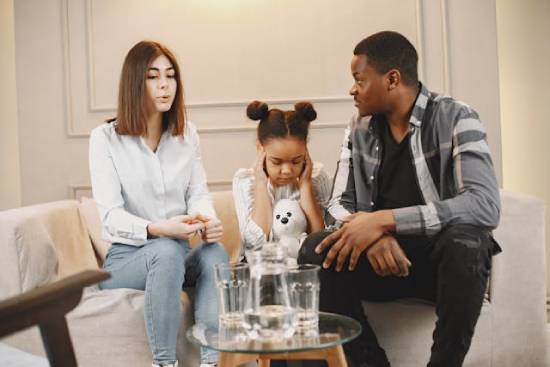
Photo by Gustavo Fring
Entitlement often grows quietly. It rarely starts with bad intentions, but with good parents trying to provide the best for their child. Over time, however, constant access to toys, gifts, screen time, and pocket money—without corresponding responsibility—can shape unhealthy expectations.
Children today grow up surrounded by materialism. Advertisements, social media, and peer pressure constantly tell them what they should expect, deserve, or demand. When kids struggle with gratitude, it is often because they’ve learned to associate happiness with having more rather than appreciating what they already have.
An entitled child may:
- Expect rewards without effort
- Show ungrateful behaviour when given gifts
- Disrespect boundaries or family rules
- Resist discipline or consequences
This does not mean you have an ungrateful child by nature. It often reflects situational factors, inconsistent boundaries, or unclear expectations. Every child is unique, and behaviour is shaped by environment, routine, and reinforcement.
If entitlement is learned, then gratitude can also be learned. This raises an important question: what guidance does the Bible give parents about gratitude and character?
What the Bible teaches about gratitude, contentment, and generosity
Scripture consistently links gratitude with character, maturity, and spiritual growth. The Bible does not teach parents to give children everything they want, but to train them in wisdom, responsibility, and self-control.
Gratitude flows from recognising perspective and privilege. When children learn that what they have is a blessing—not an entitlement—their attitude begins to change.
The Bible encourages parents to:
- Teach contentment rather than constant desire (1 Timothy 6:6-7)
- Encourage generosity, sharing, and kindness (Matthew 10:8)
- Correct ungrateful behaviour with loving discipline (Jeremiah 30:11)
- Help children develop empathy and respect (Ephesians 4:32)
Proverbs reminds parents that discipline is not punishment but instruction. Disciplining ungrateful behaviour early helps children learn life skills that protect them later. Skills such as self-control, responsibility, and respect for others.
When parents avoid setting rules out of fear of upsetting their child, entitlement grows. Assertive parents—those who combine love with clear boundaries—help children understand that privileges come with responsibility.
Biblical principles are powerful, but children don’t learn values through words alone. They learn most clearly by watching the adults around them.
Practical ways parents can model gratitude at home
Children learn gratitude primarily through modelling.
A parent’s behaviour, communication, and attitude set the emotional tone of the family. If children see complaining, entitlement, or disrespect at home, they are likely to copy it.
Here are practical ways parents can model gratitude daily:
- Speak gratitude out loud
When parents thank God, appreciate small blessings, or express contentment, children learn that gratitude is normal. This shapes family culture more than lectures ever could.
- Set clear boundaries around “stuff”
Too many toys, gifts, or rewards can reduce appreciation. Setting boundaries teaches children that not every desire needs to be met immediately.
- Tie privileges to responsibility
Allowance or pocket money should be connected to chores, effort, or responsibility, not given automatically. This helps children learn to take responsibility and value what they receive.
- Use consequences wisely
When ungrateful behaviour appears, calm consequences reinforce learning. This is not about control, but about helping children understand cause and effect.
- Encourage manners and respect
Simple habits—saying thank you, sharing, helping others—build gratitude into everyday life.
When parents consistently model gratitude, children learn that appreciation is not optional but a way of life.
Modelling sets the foundation, but gratitude grows strongest when it becomes part of everyday family habits and routines.
Simple habits that help children learn to value people over possessions
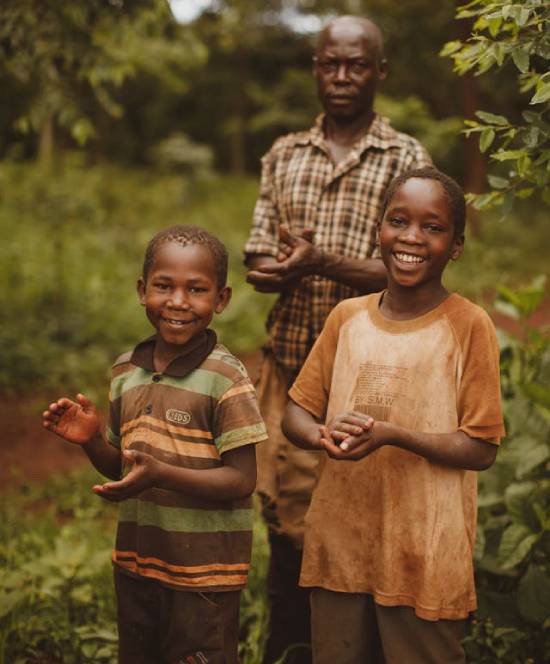
Photo by illustrate Digital Ug
Gratitude thrives in families that prioritise people, responsibility, and connection over things. Small, consistent habits shape long-term character far more than occasional lessons.
Here are practical habits that help raise grateful children:
- Establish family routines
Shared meals, family prayer, and regular conversations build communication and perspective. Children learn that relationships matter more than possessions.
- Assign age-appropriate chores
Chores teach responsibility, maturity, and contribution. When children help, they understand effort and appreciate what others do for them.
- Teach generosity through action
Encourage children to share toys, help siblings, or give to others in need. Generosity builds empathy and kindness.
- Use rewards and reinforcement wisely
Praise effort, attitude, and growth, not just results. Reinforcing gratitude encourages positive behaviour without creating entitlement.
- Talk about values regularly
Discuss values, character, and respect in everyday moments. Parenting is ongoing communication, not a one-time talk.
Over time, these habits shape children who understand privilege, respect boundaries, and develop a grateful attitude, qualities that prepare them for adulthood and healthy relationships.
From entitlement to gratitude
Raising grateful children is not about perfection. Instead, it’s about consistency, patience, and intentional parenting. Every child will struggle at times. Gratitude develops gradually through discipline, modelling, boundaries, and love.
When families focus on values, responsibility, and character rather than constant consumption, children learn that gratitude is not just good behaviour; it’s a way of seeing life.
If you’re navigating parenting challenges and want more Bible-based guidance on family life, discipline, and character development, explore more resources on Hope for Africa, and join the conversation with other parents walking the same journey.
To explore more practical, Bible-based parenting insights, we invite you to explore the Family section of Hope for Africa, where everyday parenting challenges are addressed with clarity, compassion, and Scripture-grounded wisdom.
To get started, here are three recommended reads that build directly on what you’ve learned in this article:
- How Do I Get My Kids to Listen Without Shouting?
This article helps parents improve communication and discipline without anger or frustration. You’ll learn calm, effective strategies that reduce power struggles, set clear boundaries, and encourage cooperation, helping your children listen because they understand, not because they fear consequences. - How Can I Teach My Kids to Be Kind and Respectful?
Kindness and respect are essential values that shape a child’s behaviour, relationships, and character. This read explores how children learn empathy, manners, and respect through modelling, family routines, and intentional reinforcement, helping you raise children who treat others with dignity and compassion. - How Do I Deal With Disrespect From My Kids as a Christian Parent?
Disrespect can be deeply discouraging for parents. This article offers a biblical perspective and practical tools for addressing disrespectful behaviour with wisdom and grace. You’ll gain clarity on discipline, consequences, and communication, while maintaining a loving, faith-centred home environment.
Each of these resources is designed to help you strengthen family relationships, address behaviour issues at the root, and raise children with strong values and maturity, even in today’s challenging world.
Explore the Family section of HFA today and continue building a home where gratitude, respect, and faith grow together.