

How Do I Teach My Kids to Pray With Meaning, Not Just Words?
As parents, we often feel a sense of joy when we hear our children pray. But at some point, we may begin to wonder—do they understand what they’re saying, or are they just repeating words?
As you know, teaching kids to pray meaningfully isn’t about scripting perfect prayers or following a formula or template. It’s about nurturing a genuine connection between their hearts and God.
So if you’re looking for ways to help your children develop a real relationship with God and not just reciting bedtime phrases, let’s explore practical, Bible-based strategies that encourage a sincere relationship, going far beyond habit or routine:
- Why meaningful prayer matters in your child’s spiritual development
- Age-appropriate ways to model and guide genuine conversations with God
- Simple tools and techniques that bring prayer to life
- Encouragement from Scripture to shape how your child views prayer
- Common mistakes to avoid when teaching prayer, and how to course-correct lovingly
Let’s start by considering the big picture to set the stage, and then get into some specifics.
Why meaningful prayer matters in your child’s spiritual development
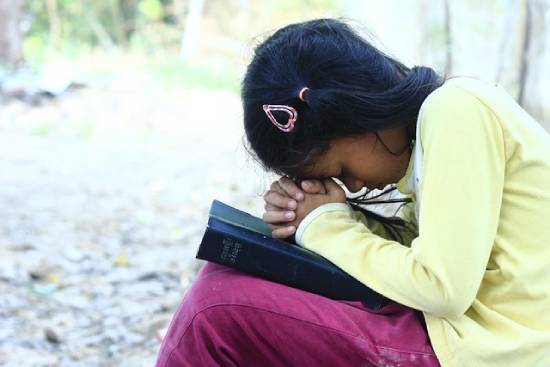
Image by Tep Ro from Pixabay
It’s easy to celebrate when our children learn to bow their heads, fold their hands, and say a bedtime prayer. But after the idea of prayer is introduced into a child’s life, we have to do some spiritual nurturing to make sure prayer doesn’t just become a ritual.
Be straightforward with your kids that prayer is designed to be a heartfelt conversation with God, even if we can’t audibly hear Him respond to our words or thoughts. Even if it’s hard for them to fully grasp at first, when kids understand that they are actually speaking to their Creator, prayer becomes a powerful part of their relationship with Him.
The Bible reminds us that “…man looks at the outward appearance, but the Lord looks at the heart” (1 Samuel 16:7, NKJV). This means that even the simplest prayers from our children can be deeply meaningful when offered in faith, love, and honesty. Teaching your child to talk to God sincerely nurtures their faith, shapes their understanding of grace, and forms a spiritual foundation they can rely on for life.
So how do we move from recited lines to genuine conversations with God? It begins with how we model prayer and continues through small, consistent steps.
Modeling and guiding heartfelt conversations with God
Children learn best by watching.
As parents, we are our children’s first teachers, especially in matters of faith. If we want our kids to speak to God with sincerity, we must model what real prayer looks like. They might have heard group prayers from pastors or church leaders, but they also need to see examples of real, true, individual prayer, even if it’s out loud or on behalf of the family. So let them hear you and your spouse talk to God throughout the day—in the morning, at church, during quiet time, and at bedtime.
It might be a prayer you say out loud in the morning before everyone goes to work or school. Or maybe your children might see you pray quietly each morning while sitting in your favorite chair. So even if they don’t hear what you say, they know you are spending intentional time with God.
If you’re looking for ways to include more prayer into your days, here are some everyday moments you can turn into prayer opportunities:
- “Thank You, God, for this blessing of sunshine today.”
- “Jesus, help me be patient when I’m tired.”
- “Holy Spirit, please guide me as I make this decision.”
- “Lord God, I don’t always know what to say, but I’m thankful you’re always listening. Help me listen for your influence today.”
- “Lord, I’m sorry about my hasty decisions today. Help me make things right in appropriate ways.”
When your child hears you pray honestly about your struggles, joys, and even your need for forgiveness, they begin to see that prayer is more than tradition. It’s a living, breathing relationship.
Also, explain the different parts of prayer. If it would help to have a structure to work with, try the Bible’s ACTS model as a guide:
- Adoration (praise and worship)
- Confession
- Thanksgiving (gratitude)
- Supplication (asking God for help, connecting your daily life to His will)
Each time you pray with your child, point out which part of the prayer you’re doing. This helps them understand the structure while keeping the heart at the center. But you can remind them that not all their prayers are required to follow this structure. They can follow their hearts. But this can help them learn about how prayer is a real conversation, involving more than just requests and thank-yous.
Let’s now explore some tools and techniques to bring prayer to life for your child.
Simple tools and techniques that bring prayer to life
Children are naturally imaginative and curious. Use this to your advantage by making prayer routines interactive and creative.
Here are a few ways to help them engage with prayer meaningfully:
- Prayer journals: Encourage your child to write or draw their prayers. It helps them process emotions and track how God answers over time. And if they worry about finding the “right words” to say, this can assure them that there are many different ways to express themselves to God.
- Prompt cards: Create flashcards with prompts like, “Thank You God for…” or “Please help…” or “God, I think it’s interesting when…” or “God, I’ve always wondered about…” or “God, I’m really sad/mad about…” Use these during morning or bedtime prayer sessions.
- Prayer walks: Go on short walks together and pray for your family, neighbours, or the people you see.
- Family prayer time: Establish a daily or weekly prayer time as a family where everyone shares what they want to talk to God about.
Keep simple prayers part of your child’s daily rhythm. For example:
“Dear Jesus, thank You for loving me. Help me be kind today. Amen.”
And don’t forget music! Many children find music helpful in setting the tone or connecting with their feelings. Singing together or listening to worship songs during quiet time can lead naturally into moments of prayer.
Now that your child is learning how to pray, what does the Bible say to help reinforce this habit?
Encouragement from Scripture to shape how your child views prayer
The Bible is full of stories and teachings that inspire us to pray with sincerity. Share these stories with your children:
- Jesus and the children (Mark 10:13-16): Show how Jesus welcomed children and listened to them.
- The Lord’s Prayer (Matthew 6:9-13): A model for prayer given directly by Jesus.
- Hannah’s heartfelt prayer (1 Samuel 1): Teach how real emotion and longing can be brought to God.
- Daniel’s prayer routine (Daniel 6): Reinforce consistency and courage in morning and evening prayer.
Memorise key verses together:
- “Be anxious for nothing, but in everything by prayer and supplication, with thanksgiving, let your requests be made known to God” (Philippians 4:6, NKJV).
- “Pray without ceasing” (1 Thessalonians 5:17, NKJV). Tell them that every thought they have can be directed to God, any time of day.
Use these Scriptures to show your child that prayer is both encouraged and expected in our walk with God. Scripture becomes not only a foundation but also a motivation.
But even with guidance, there can be common mistakes along the way. Let’s look at those next.
Common mistakes to avoid when teaching prayer, and how to course-correct lovingly
Even the most intentional parents sometimes fall into traps that unintentionally hinder their children’s growth in prayer.
Here are a few to be aware of:
- Overemphasis on performance: Avoid praising only when your child prays “well.” Instead, affirm the sincerity behind the words.
- Forcing routines without understanding: A strict bedtime prayer is good, but it shouldn’t replace spontaneous, authentic prayer. Encourage both.
- Ignoring confession and forgiveness: Children need to know they can tell God when they mess up. Teach them that confession is met with grace, not shame. God is eager to forgive us, help us, and reassure us of our worth.
- Neglecting the role of the Holy Spirit: Remind them that they’re not alone. The Holy Spirit helps us pray, even when we don’t know what to say (Romans 8:26).
If your child seems uninterested, don’t push; model. Keep praying with them and for them. Ask questions like:
- “What would you like to thank God for today?”
- “Is there anything you want to ask Jesus about?”
- “How did you see God’s love today?”
These simple questions invite your child into meaningful reflection and deeper prayer.
Let’s wrap it all up with some key takeaways and next steps for your family.
Building a lifelong habit of meaningful prayer
Teaching your child to pray with meaning is one of the greatest gifts you can give them.
When they learn to speak to God from the heart, they develop a relationship that carries into adulthood. Through your example, loving guidance, use of Scripture, and grace-filled correction, prayer becomes more than a habit. It becomes a lifeline.
Start small. Keep it consistent. And most of all, stay connected to your own conversation with God as you lead by example. Keep it real.
Want more Bible-based parenting tools?
Visit our Family Section for deeper insights and practical resources to help you build a spiritually strong home.
Start with these impactful reads:
- How can I raise godly children in today’s world? – Learn how to equip your children with spiritual resilience and biblical values in an increasingly complex society.
- What Does a Strong Christian Family Look Like? – Discover the biblical blueprint for nurturing love, respect, and faith in your family relationships.
- How To Spend More Time With Family Without Neglecting Work – Find practical, grace-filled strategies to balance career demands and quality time with your loved ones.
Each of these resources offers a unique layer of support to help you raise children who not only say their prayers but live them out with love, gratitude, and unwavering faith.
“Train up a child in the way he should go, And when he is old he will not depart from it (Proverbs 22:6, NKJV).
Let’s raise a generation that knows how to talk with their Heavenly Father, not just with words, but with hearts full of faith, love, and purpose.