

How Do I Stay Disciplined Daily?
Staying disciplined every day can feel exhausting, especially when motivation fades, distractions increase, and life becomes overwhelming.
Many people start with good intentions but struggle to remain consistent with healthy habits, spiritual growth, work responsibilities, or personal goals. The truth is, discipline is not just about willpower. It’s about building the right mindset, routines, and spiritual foundation that help you stay focused even on difficult days.
The good news is that daily discipline can be learned and strengthened. The Bible offers practical wisdom on self-control, perseverance, and faithfulness in the small things.
Whether you’re trying to improve your spiritual life, manage your time better, stay committed to your responsibilities, or overcome unhealthy habits, developing discipline is possible with intentional daily choices and God’s guidance.
In this article, you’ll learn:
- Why discipline often feels difficult to maintain
- The difference between motivation and discipline
- Practical daily habits that help build consistency
- How faith and prayer strengthen self-control
- Biblical principles that encourage perseverance
- Simple ways to stay disciplined even when you feel discouraged
Let’s start by understanding why staying disciplined can be so difficult.
Why does discipline often feel difficult to maintain?
Discipline feels difficult because human beings naturally seek comfort, immediate reward, and ease. Staying committed to long-term goals often requires discomfort, delayed gratification, and consistent effort, even when emotions change.
Many people think they lack self-discipline because they fail occasionally. But discipline is not about never struggling. It’s about learning how to continue making wise decisions despite distractions, low energy, or changing feelings.
Modern life also makes focus difficult. Social media, endless notifications, entertainment, and busy schedules constantly compete for our attention. Without intentional habits and personal rules, procrastination can slowly take over our daily routine.
The Bible reminds us that self-control is part of spiritual growth:
“Whoever has no rule over his own spirit is like a city broken down, without walls” ( Proverbs 25:28, NKJV).
Without discipline, life easily becomes reactive instead of purposeful. Our time, energy, and decisions become controlled by impulses instead of wisdom.
For many professionals, parents, and people carrying multiple responsibilities, the challenge is even greater. Fatigue, stress, and mental overload can weaken willpower. That’s why discipline cannot depend only on feelings or temporary motivation. It must be supported by structure, planning, and faith.
But here’s the encouraging part—discipline becomes easier when we understand what truly sustains consistency over time.
The difference between motivation and discipline

Photo by Ksenia Chernaya
Motivation helps you start, but discipline helps you continue.
Motivation is emotional. It comes and goes depending on circumstances, energy, or mood. Some days you may feel inspired to exercise, pray, study, or work hard. Other days, you may feel tired, discouraged, or distracted.
Discipline is different. Self-discipline means choosing what matters most even when you do not feel like doing it.
This is why many people fail after making exciting new plans. They rely entirely on motivation instead of creating systems and habits that support consistency.
For example:
- Motivation says, “I’ll pray when I feel inspired.”
- Discipline says, “Prayer is part of my daily schedule.”
- Motivation says, “I’ll exercise when I have energy.”
- Discipline says, “Exercise is part of my routine.”
Discipline is built through repeated actions over time. The more consistently you repeat healthy habits, the more they become part of your identity.
Romans 5:3-4 explains this process well:
“…we also glory in tribulations, knowing that tribulation produces perseverance; and perseverance, character; and character, hope” (NKJV).
Consistency shapes character. Character shapes identity.
This means discipline is not simply about completing tasks. It is about becoming the kind of person who lives intentionally, honours commitments, and follows through faithfully.
Still, knowing this raises another important question—how do you actually build discipline in everyday life?
Let’s explore some practical habits that make consistency possible.
Practical daily habits that help build consistency
Daily discipline grows through small steps, not dramatic overnight change. Simple, consistent habits tend to create greater long-term progress than extreme bursts of effort.
One of the best ways to strengthen self-discipline is to create a stable routine. A routine reduces unnecessary decisions and helps you stay focused on your priorities.
Here are some practical habits that can help:
- Start your day with intention
The way you begin your morning often affects your entire day. Instead of immediately reacting to distractions, create quiet time for prayer, meditation on Scripture, planning, and self-reflection.
Even 15–20 minutes of intentional focus can improve clarity and mental energy.
- Set clear and realistic goals
Vague goals often lead to procrastination. Clear goals create direction.
Instead of saying:
- “I want to be more disciplined,”
Try saying:
- “I will read my Bible for 15 minutes every morning.”
- “I will exercise three times this week.”
- “I will complete my important tasks before checking social media.”
Specific goals make progress tracking easier and help maintain focus.
- Build around small steps
Many people quit because they try to change everything at once. Lasting discipline develops gradually.
Small steps matter because consistency builds momentum. Reading one page, taking a short walk, or praying briefly may seem insignificant, but repeated daily actions strengthen your habits over time.
Zechariah 4:10 reminds us:
“For who has despised the day of small things?” (NKJV).
God values faithful consistency, even in small beginnings.
- Reduce distractions
Distractions weaken focus and make discipline harder.
You may need personal rules such as:
- Turning off unnecessary notifications
- Creating screen-free times
- Working in quiet environments
- Setting limits on entertainment or social media
Protecting your attention helps you stay mentally present.
- Prioritise sleep and physical health
Lack of sleep reduces focus, energy, and self-control. Physical exhaustion often leads to poor decisions and weakened willpower.
Healthy discipline includes caring for your body through:
- Proper rest
- Exercise
- Balanced nutrition
- Stress management
Your physical condition affects your emotional and spiritual strength more than many people realise.
- Practice accountability
Discipline grows stronger in a community. Sharing your goals with trusted friends, mentors, or family members can encourage consistency and honesty.
Ecclesiastes 4:9 says:
“Two are better than one, because they have a good reward for their labor” (NKJV).
Supportive accountability helps you continue when motivation fades.
Of course, practical habits alone are not enough. True transformation also involves the heart and mind.
That’s where faith becomes essential.
How faith and prayer strengthen self-control
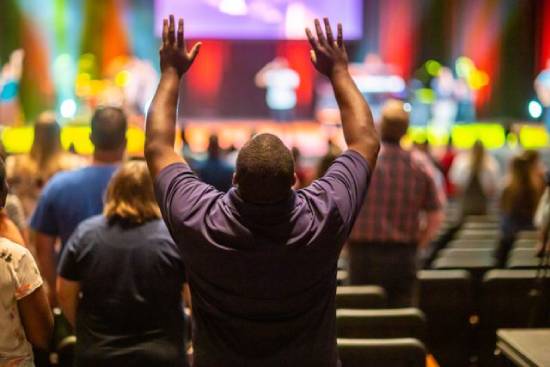
Photo by Caleb Oquendo
Self-control is not only a personal skill. It is also a spiritual matter.
Galatians 5:22-23 describes self-control as part of the fruit of the Spirit. This means discipline grows not only through effort, but also through a relationship with God.
Prayer helps realign our mindset, priorities, and desires. It reminds us that we do not have to rely solely on our own strength.
When facing temptation, distractions, discouragement, or procrastination, prayer creates spiritual clarity and renewed focus.
Jesus Himself often withdrew for prayer despite His demanding ministry. If Christ prioritised quiet time with God, we also need regular spiritual renewal.
Faith also changes how we view discomfort.
Without faith, discomfort feels pointless. With faith, discomfort becomes part of growth.
For example:
- Waking up early for prayer may feel difficult.
- Exercising consistently may feel uncomfortable.
- Resisting unhealthy habits may require sacrifice.
But discipline becomes easier when connected to purpose.
Hebrews 12:11 says:
“Now no chastening seems to be joyful for the present, but painful; nevertheless, afterward it yields the peaceable fruit of righteousness to those who have been trained by it” (NKJV).
Temporary discomfort can produce lasting spiritual maturity.
Meditation on Scripture also renews the mind. When our thoughts are shaped by truth instead of fear, comparison, or negativity, our decisions gradually change as well.
Faith strengthens discipline by shifting our focus from temporary feelings to eternal values.
And once faith reshapes our perspective, perseverance becomes possible even during difficult times.
Biblical principles that encourage perseverance
Perseverance means continuing faithfully even when progress feels slow.
The Bible repeatedly teaches that endurance is part of spiritual growth. Many faithful people in Scripture faced delays, setbacks, discouragement, and hardship. Yet they continued to trust God, step by step.
One powerful principle is consistency over perfection.
Some people abandon their goals after making mistakes. Missing one day of prayer, exercise, or productivity does not mean failure. What matters most is returning and continuing.
God often works through gradual growth rather than instant transformation.
Another important principle is guarding your identity.
Your identity shapes your habits.
If you constantly say:
- “I’m lazy.”
- “I never stay consistent.”
- “I always fail.”
You reinforce discouragement mentally and emotionally.
Instead, why not align your thinking with biblical truth:
- “God is helping me grow.”
- “I can develop discipline.”
- “I can make wise decisions through His strength.”
Philippians 4:13 says:
“I can do all things through Christ who strengthens me.”
Perseverance also requires self-compassion. Discipline does not mean harsh self-hatred or unrealistic pressure. Sometimes growth includes setbacks, learning, and adjustment.
Healthy self-reflection asks:
- What distracted me today?
- What habits helped me stay focused?
- What changes can I make tomorrow?
Progress tracking can also help you notice growth over time instead of focusing only on failures.
Most importantly, remember that God values faithfulness. Even when progress seems slow, consistency matters deeply.
And that leads us to one final challenge many people face—staying disciplined during hard times.
Simple ways to stay disciplined even when you feel discouraged
Everyone experiences discouragement. There are days when energy feels low, motivation disappears, and progress seems invisible.
During those moments, discipline becomes especially important.
Here are several simple ways to continue moving forward:
- Focus on today
Instead of becoming overwhelmed by the future, focus on completing today’s responsibilities faithfully.
Jesus said in Matthew 6:34:
“Therefore do not worry about tomorrow…” (NKJV).
Daily faithfulness is more sustainable than constant anxiety about the future.
- Lower the barrier to action
When you feel discouraged, simplify your tasks.
- Read one page instead of an entire chapter
- Pray for five minutes instead of avoiding prayer completely
- Take a short walk instead of skipping exercise entirely
Small actions maintain momentum.
- Remember your purpose
Discipline becomes easier when connected to meaningful goals.
Ask yourself:
- Why do I want this habit?
- Who benefits from my growth?
- How does this honour God?
Purpose strengthens endurance.
- Celebrate progress
Recognise growth, even if it feels small. Healthy reward systems can reinforce positive habits and encourage consistency.
Progress matters more than perfection.
- Stay connected to supportive people
Isolation often increases discouragement. Encouragement, accountability, and community help restore perspective and hope.
- Give yourself grace while continuing forward
Self-compassion does not mean making excuses. It means refusing to quit after setbacks.
Growth is rarely linear. Some days will be harder than others. But every new day is another opportunity to begin again.
Building daily discipline one step at a time
Daily discipline is not built through sudden perfection or endless motivation. It grows through consistent habits, intentional decisions, spiritual dependence on God, and faithful perseverance over time.
Self-discipline helps you stay focused on what truly matters despite distractions, discomfort, or discouragement. Through small steps, wise routines, prayer, accountability, and biblical self-control, you can gradually build a life marked by consistency and purpose.
Most importantly, remember that God cares about your success, but more than that—He cares about your growth. Day by day, He will work within us to help us make better decisions and live a fuller, richer, more meaningful life.
If you’ve been struggling with consistency, don’t give up. Start small. Stay prayerful. Keep moving forward.
Want to grow deeper in your faith and discover more Bible-based guidance for everyday life? Explore the Faith section of Hope for Africa for practical, encouraging, and spiritually grounded insights that can help you navigate life’s challenges with wisdom and confidence.
Here are a few helpful reads to begin with:
- How Can I Stop Feeling Guilty About My Past Mistakes?
Discover how God’s grace, forgiveness, and healing can help you move beyond shame and find peace after past failures. This article can encourage you to let go of emotional burdens that often weaken motivation and self-worth. - How Can I Include God in My Everyday Decisions?
Learn practical ways to involve God in your daily choices, routines, relationships, work, and personal goals. You’ll discover how faith can strengthen your focus, decision-making, and sense of purpose. - Can I Be Spiritual Without Going to Church Every Week?
Explore what the Bible says about spirituality, community, worship, and personal faith. This article offers balanced insights for those trying to build a genuine relationship with God while navigating busy schedules, doubts, or changing life circumstances.
Your journey toward discipline, growth, and spiritual maturity does not have to happen alone. Keep seeking wisdom, keep growing in faith, and trust that God can guide you one faithful step at a time.