

What Can I Do When I Feel Stuck in Life?
Have you ever felt like your life has come to a standstill, like no matter how hard you try, nothing seems to move forward? You’re not alone.
Many people experience seasons where they feel stuck, whether in their job, relationships, personal growth, or even their faith. It can feel like you’re trapped in the same situation, unsure how to change or what step to take next.
But here’s the truth—feeling stuck doesn’t mean your life is over or without direction. Sometimes, it’s a signal, an invitation to pause, reflect, and realign your thoughts, your priorities, and your purpose. From a biblical perspective, even these difficult seasons can become turning points that lead to growth, healing, and clarity.
In this article, you’ll discover practical and faith-based steps to help you break free.
We’ll explore:
- Why people feel stuck in life, and what it really means
- How your mindset and thoughts may be keeping you in place
- What the Bible says about seasons of waiting and uncertainty
- Practical steps you can take to regain clarity and direction
- How to find renewed purpose and move forward with confidence
Let’s begin by understanding why people may feel stuck in life.
Why do people feel stuck in life?
Feeling stuck in life often comes from a mix of emotional, mental, and spiritual challenges, not just external circumstances.
You might be experiencing burnout from your job, struggling with your mental health, or facing uncertainty about your future. Sometimes, it feels like no matter what you do, nothing changes. This can lead to a sense of feeling trapped, as though your situation is beyond your control.
At other times, it’s not your environment, it’s what’s happening inside. Your thoughts, fears, and doubts can quietly shape how you see your life. Fear of failure, fear of making the wrong decision, or even fear of change can keep you stuck longer than necessary.
Let’s take a closer look at how this happens.
Your thoughts and mindset may be keeping you stuck
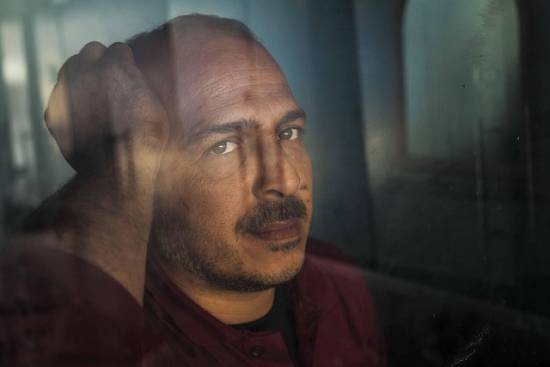
Image by Talip Özer from Pixabay
The way you think has a powerful impact on whether you stay stuck or begin to move forward.
Negative thought patterns, like “Nothing will ever change,” or “I’m not good enough,” can slowly drain your hope and keep you from taking action.
You may also feel overwhelmed, constantly focusing on everything that’s wrong instead of what’s possible. When your focus stays on fear and limitations, it becomes harder to see opportunities for growth or change.
Over time, these thoughts create a mental barrier that makes even small steps feel impossible.
So how do we fix it? Well, we can start by changing our focus.
Now, this doesn’t mean we use positive thinking to ignore reality. On the contrary, we want to ground ourselves in the broader reality of our situation—that we experience difficult times, but we also experience good times.
This can remind us that we won’t be stuck in bad times forever. The good times will come again—God promises that much. We just have to trust His timing.
Let’s see what the Bible has to say about this.
What the Bible says about seasons of waiting and uncertainty
The Bible reassures us that seasons of waiting aren’t a waste—they can teach us to depend on God, trusting that He will acknowledge and restore us.
Isaiah 40:31 says that “those who wait on the Lord shall renew their strength; they shall mount up with wings like eagles, they shall run and not be weary, they shall walk and not faint” (NKJV).
Many biblical figures experienced long periods of waiting. Joseph was stuck in prison before stepping into leadership. David was anointed king but spent years in uncertainty. Even these moments that felt like delays were part of a bigger plan.
Scripture teaches that God works even when we don’t see immediate results. Seasons of waiting build patience, character, and trust. It helps us shift our focus from what we can control to trusting God with what we cannot.
This doesn’t mean you remain passive. Instead, it’s about learning to live faithfully in the present moment, even when the future feels unclear.
So, how can we do that?
Practical steps to regain clarity and direction

Photo by Pavel Danilyuk
Moving forward doesn’t always require a big breakthrough—it often starts with small steps.
Here are practical ways to begin:
- Start where you are: You don’t need a perfect plan. Take one small action today, whether it’s expanding your education, learning a new skill, or improving your daily routine.
- Focus on what you can control: You may not control your entire situation, but you can control your response, your habits, and your mindset.
- Talk to someone: Sometimes, what you need most is someone to talk to. Whether it’s a trusted friend, mentor, or counsellor, sharing your thoughts can bring clarity and emotional relief.
- Take care of your mental and emotional health: Rest, reflect, and give yourself space to breathe. Burnout can make everything feel worse than it is.
- Use available resources: There are many helpful tools such as articles, guides, and faith-based content that can provide direction and support when you feel lost.
- Practise acceptance while pursuing change: Accept where you are today, but don’t settle there. Growth takes time, but it begins with intentional action.
These steps may seem small, but they are powerful. Over time, they create momentum.
And as you begin to move forward, something deeper starts to take shape.
How to find renewed purpose and move forward with confidence
When you shift your focus from frustration to growth, you begin to see your life differently. Instead of asking, “Why am I stuck?” you start asking, “What can I learn here?”
Purpose is often discovered through:
- Serving others
- Growing through challenges
- Aligning your life with God’s principles
Even in difficult situations, your life still has meaning. Your current season does not cancel your future—it prepares you for it.
As you take small steps, care for your mental health, and seek support, you’ll begin to notice change. Confidence grows when you act, even when you’re unsure. And over time, what once felt like being stuck becomes a stepping stone toward something greater.
Trusting God as you move forward
Feeling stuck in life can be discouraging, but it’s not permanent. With the right mindset, practical steps, and faith-based guidance, you can begin to move forward again.
You don’t have to figure everything out at once. Start small. Seek support. Stay grounded in the present moment. And trust that even now, your journey still has direction and purpose.
If you’re feeling stuck, uncertain, or searching for direction, the Faith section on HFA is a great place to start. You’ll find Bible-based answers that help you make sense of your situation, strengthen your trust in God, and move forward with clarity and confidence.
Here are a few powerful reads to begin with:
- How Do I Rebuild My Faith After Falling Away?
If you feel distant from God or unsure how to start again, this article will guide you through practical, grace-filled steps to reconnect with Him without guilt or pressure. You’ll discover that it’s never too late to rebuild your faith and experience a fresh start. - What Does It Mean to Have Faith When Life Is Falling Apart?
Learn how to trust God even when your situation doesn’t make sense. Understand how faith can anchor you during life’s storms. - Can I Still Go to Heaven if I Keep Making Mistakes?
Struggling with failure or feeling like you’re not “good enough”? This article offers reassuring, Bible-based clarity on grace, forgiveness, and salvation, helping you replace fear with hope and confidence in God’s love for you.
Each of these resources is designed to meet you where you are, whether you’re struggling, questioning, or simply seeking more.
And remember, you don’t have to do this alone. Consider joining our community, where you can find support, ask questions, and connect with others who are also learning how to trust God and move forward, one step at a time.