

How Can I Honour My Parents if Our Relationship is Strained?
The Bible commands us to honor our parents (Exodus 20:12). But what do you do if you have a distant, complicated, or painful relationship with them?
It can be hard to respect and honour our parents when trust has been broken, or when past wounds have left scars that still sting. You may find yourself wrestling with guilt, confusion, or a sincere desire to follow God’s Word, while also trying to protect your emotional well-being.
In this article, we’ll explore how you can still honour your parents in meaningful, biblically sound ways, even when the relationship is not ideal.
You’ll discover:
- What the Bible says about honouring parents in complex situations
- Practical ways to show honour without compromising your emotional boundaries
- How forgiveness, empathy, and spiritual maturity play a role in healing strained relationships
- Encouragement and hope for those navigating hurt, disappointment, or estrangement
Let’s start by identifying what the Bible means when it says to honour our parents (and what that looks like when dealing with strained relationships).
What the Bible says about honouring parents in complex situations
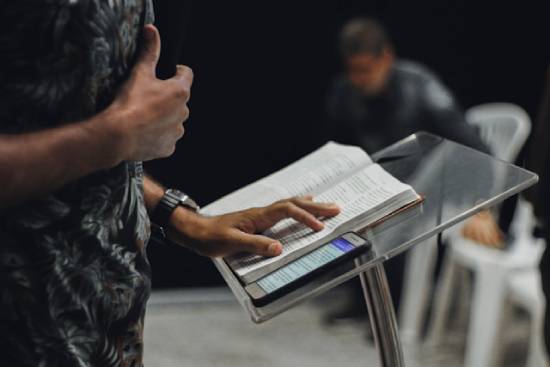
Photo by Nycholas Benaia on Unsplash
The fifth commandment says, “Honor your father and your mother, that your days may be long upon the land which the Lord your God is giving you” (Exodus 20:12, NKJV).
What is this commandment asking us to do? Does it call for blind obedience even in the face of dysfunction, abuse, or harm?
God created the family structure as a blessing, but we know that, because of sin, many families have become dysfunctional, sometimes even toxic. But if we’re dealing with these problems, God doesn’t ask us to pretend everything is okay. Honouring our parents doesn’t mean ignoring emotional wounds or obeying parents when they’re telling us to do the wrong thing.
Instead, honour is about having basic respect—acknowledging the position your parents hold in your life, even when their actions may not be honourable.
Jesus said to love everyone, even our enemies (Matthew 5:44). While difficult parents aren’t necessarily our enemies, this verse reminds us to extend mercy and grace, even in hard situations. At the same time, the Bible never commands us to reject wisdom or abandon healthy boundaries for the sake of obedience.
Let’s explore how honour can look in a strained or dysfunctional family.
Practical ways to show honour without compromising boundaries
If you’re dealing with a toxic mother, emotionally distant father, or abusive parent, know that “honouring parents” is not about being a doormat. It’s about reflecting God’s heart in how you respond to them, even if you must do so from a safe distance.
Here are practical ways to honour your parents while protecting your peace:
- Speak kindly, even when you disagree. Words have power. Choose them with grace.
- Don’t retaliate or gossip about your parents. The goal is to overcome evil with good (Romans 12:21).
- Maintain appropriate boundaries. Honour doesn’t mean unlimited access to your life. You can say “no” while still being respectful.
- Keep the door open where possible. If reconciliation is safe and emotionally healthy, be willing to engage.
- Spend time with your parents, even in small ways, if it’s appropriate and doesn’t compromise your mental health.
- Care for them in practical ways, especially as they age. Honour can also look like helping with errands or checking in, even if the relationship is distant.
It’s also wise to seek counsel. Trusted spiritual leaders or therapists can help you navigate how to set boundaries without falling into guilt or bitterness.
This balance leads us to the heart of the matter—forgiveness.
How forgiveness, empathy, and spiritual maturity heal broken relationships
Photo by KATRIN BOLOVTSOVA
If you’ve been hurt by your parents, forgiveness might feel impossible. But Jesus Christ offers us a way to forgive even when the pain runs deep.
Forgiveness doesn’t mean forgetting the harm, nor does it mean enabling ongoing abuse. It means surrendering our desire to retaliate and entrusting the situation to God.
Empathy grows when we realise our parents are flawed humans who may have acted out of their own wounds. Perhaps they also had toxic parents or emotionally unhealthy upbringings. While this doesn’t excuse harmful behaviour, it can soften your heart and create space for compassion without compromise.
Spiritual maturity means recognising that honour is an act of obedience to God, not a reward parents must earn. It’s about aligning our responses with the Gospel—offering grace not because others deserve it, but because God first extended grace to us.
And as we grow in grace, we become the kind of people God is teaching us to be—those who are emotionally healthy, strong in character, and rich in mercy.
But what if the relationship remains strained despite your best efforts?
Encouragement and hope when reconciliation feels impossible
For some, reconciliation may never come, not because of a lack of effort, but because of ongoing abuse, denial, or dishonourable behaviour. If this is your situation, know that you don’t need to keep a close relationship with people who hurt you. You can keep your distance and continue honoring them by:
- Praying regularly for them. Prayer softens your heart and invites God to work in theirs.
- Entrusting your hurt to God. He is a just and loving Father who sees what others cannot.
- Guarding your heart (Proverbs 4:23). Staying emotionally and spiritually whole is an act of stewardship.
- Surrounding yourself with a safe community. This could be church family, mentors, and trusted friends who can offer support.
Above all, remember not to give up hope. Even dysfunctional families can experience healing. What feels impossible today may, in God’s timing, become a story of redemption tomorrow.
As Christians, we are called to reflect Christ in every aspect of life—even in how we deal with strained family dynamics. The good news is, we don’t have to do it alone. The Gospel reminds us that God is able to repair broken situations.
Honouring with grace, not guilt
Honour doesn’t mean staying silent in the face of harm. It doesn’t mean forcing yourself to feel “comfortable” with someone unsafe. Instead, we’re called to draw healthy boundaries while sharing God’s grace and compassion.
Strained relationships with parents stir up deep emotions—confusion, guilt, grief, anger. But the call to honour your father and mother was never meant to be a burden. It’s an invitation to live with grace, dignity, and faith, reflecting the character of Jesus Christ in our most personal relationships.
Let your actions speak of honour rooted in grace—not guilt, obligation, or fear.
Want more bible-based wisdom on family and relationships?
Navigating strained family dynamics can be emotionally exhausting. But you don’t have to do it alone. The Family Section of Hope for Africa is filled with balanced, biblically grounded insights that can help you grow, heal, and lead with grace—even in the toughest situations.
Here are other articles that can help you on your journey:
- Do My Parents Have to Accept My Boyfriend/Girlfriend?
Explore the tension between honouring your parents and making personal decisions. This article helps you understand the balance between godly obedience and personal freedom in dating. - Tips on Becoming a Principled Youth
If you’re a young person trying to rise above a dysfunctional or emotionally unhealthy home, this is for you. This article offers bible-based principles for building strong character, even in challenging environments. - What Does It Mean to Honour and Respect Your Elders?
How can we honour our elders when we reach adulthood? How do we deal with dishonourable parents or grandparents in a way that honours God? In this article, you’ll learn the difference between respecting a person’s position and endorsing harmful behaviour.
Explore The Family Section to discover more content that speaks to your situation with truth, hope, and compassion.