

How Do I Help My Child Deal With Bullying in a Godly Way?
Bullying is a heartbreaking reality for many children today.
Whether it happens at school, on the bus, or even online, no parent wants to see their child come home upset, angry, or feeling scared. As a faith-driven parent, it’s not just about stopping the torment; it’s about helping your child respond in a way that honors God and strengthens their character.
This article will walk you through Bible-based, practical strategies to equip your child to handle bullying.
We’ll cover:
- What Scripture teaches about dealing with enemies and emotional wounds
- How to build your child’s God-given identity and confidence
- What to do when your child needs to take a stand or walk away
- How prayer can become your secret weapon
- When to involve teachers, counselors, or trusted adults
Let’s explore how to help your child stay both safe and spiritually grounded.
What the Bible teaches about dealing with hurt
When your child is being bullied, it’s natural to feel angry or even want to fight back. But Scripture gives us a different path.
Jesus taught a different way of responding to hurt:
But I say to you, love your enemies, bless those who curse you, do good to those who hate you, and pray for those who spitefully use you and persecute you” (Matthew 5:44, NKJV).
This isn’t about being passive. It’s about rising above the situation.
Help your child understand that walking away isn’t a weakness. It’s wisdom. Proverbs 15:1 says, “A soft answer turns away wrath, but a harsh word stirs up anger” (NKJV). Teach them to talk to God first when they feel hurt or overwhelmed.
Sit down with your child and read Bible stories about people like Joseph or David—people who faced threats, betrayal, and injustice, but chose God’s way over revenge. Let these stories shape how they think about bullies and how God defends those who trust in Him.
Once you’ve grounded your child in what the Bible says, it’s time to reinforce their identity, because how they see themselves affects how they handle the world.
Build your child’s resilience and identity in Christ
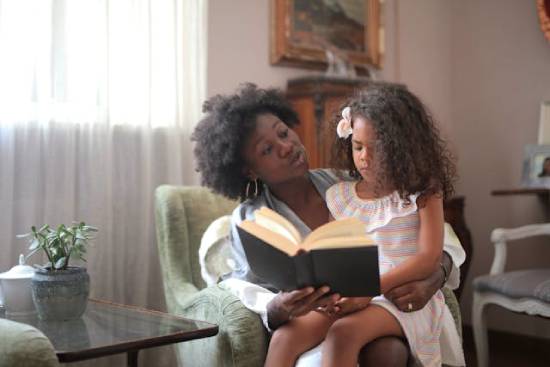
Photo by Andrea Piacquadio
Children who know their worth are less likely to remain victims. Bullies thrive when they sense fear or insecurity, so one of your best defenses is helping your child understand who they are in Christ.
Remind them of Psalm 139:14, “I praise you because I am fearfully and wonderfully made” (NKJV). Let this be more than a memory verse; make it a daily affirmation. Help them internalize biblical truth when lies from a bully threaten to take root in their minds.
Develop a morning routine with your child that includes Scripture declarations. You might say, “God made me strong. I am not alone. I can ask for help. I can speak up. I am loved.”
Also, foster healthy friendships. Encourage your child to find at least one friend they can trust at school, someone who will stand with them when things get tough (Ecclesiastes 4:9-10).
Knowing their value is powerful, but what happens when a bullying situation unfolds? Let’s talk about how your child can respond wisely and safely.
Godly ways to respond to bullies without compromising safety or values
When your child is being hurt or threatened, they need immediate strategies, not just sermons. It’s important to teach them how to respond in ways that reflect both courage and wisdom.
Here are key approaches:
- Walk away: If it’s safe, walking away is often the best first move. It prevents escalation and shows strength, not surrender.
- Talk to an adult: Encourage your child to immediately talk to a teacher, counselor, or a trusted adult if bullying continues.
- Say “stop” clearly: Teach your child to use a firm, respectful voice to say “Stop” when faced with verbal bullying. This can be surprisingly effective.
- Never fight back physically: As tempting as it may be, remind them that fighting will only make matters worse. Romans 12:17 says, “Repay no one evil for evil” (NKJV).
- Document what happens: Help your child write down what happened—dates, places, and what was said. This helps when it’s time to contact the school or other authority figures.
Siblings can be part of the solution. If your child has a sibling at the same school, encourage them to support and watch out for each other.
These responses are important, but there’s one thing that can provide daily peace and strength, and that’s prayer.
How to pray with and for your child during challenging times
Sometimes, all the strategies in the world don’t take away the fear your child feels before stepping onto the bus or walking into school. But prayer can do what logic and lectures can’t. It calms the heart and invites God’s protection.
Set aside five minutes each morning to pray with your child. Keep it simple:
- Thank God for the day ahead.
- Ask for wisdom and courage.
- Pray for the bully—this models grace.
- Invite the Holy Spirit to help your child stay safe and stand strong.
Use verses like Isaiah 41:10 that say “Fear not, for I am with you; be not dismayed, for I am your God. I will strengthen you, yes, I will help you, I will uphold you with My righteous right hand” (NKJV).
Also, pray privately as a parent. Ask God for insight into the signs your child might be hiding their struggles. The Holy Spirit can alert you before things worsen.
While spiritual support is vital, sometimes bullying situations require intervention from outside your home. Let’s explore when to take it further.
When to involve school authorities or other trusted adults

Photo by Katerina Holmes
Your child should never feel like they must endure bullying alone. If the situation escalates or continues despite your child’s best efforts, it’s time to take action.
Here’s when to contact the school or get outside help:
- If your child is being physically hurt or threatened
- If there are ongoing verbal threats or online torment
- If your child seems increasingly withdrawn, angry, or afraid to go to school
- If the bully is spreading lies or creating fear among others
Don’t hesitate to speak with the teacher, school counselor, or principal. Bring written documentation and request a follow-up plan. Most schools have anti-bullying policies, and they are required to take action when a child’s safety is at risk.
If needed, involve a Christian counselor or therapist to help your child process the trauma and rebuild emotional confidence.
Remember: Seeking help isn’t a weakness. It’s wise stewardship of your child’s emotional and spiritual health.
Raising children who respond to evil with faith and strength
Parenting in today’s world isn’t easy. But as you lead your child through challenges like bullying, you’re not just protecting them; you’re shaping them. You’re teaching them how to face conflict with grace, how to seek help wisely, and how to trust in a God who sees, defends, and heals.
May your home be a refuge where your child finds peace. And may your parenting reflect both the strength and gentleness of Christ.
Want more Bible-based insights on how to raise resilient children and build healthier relationships?
Visit our Relationships Section for faith-filled guidance on parenting, friendships, boundaries, and conflict resolution—all rooted in biblical wisdom.
Start with these powerful reads:
- What to Do When There’s Bullying?
Gain practical, Bible-based strategies for identifying, preventing, and responding to bullying across different settings, whether at school, at home, or online. This article also equips you to minister to victims and guide your child in offering compassion to others. - How to Set Healthy Boundaries
Discover how to teach your child (and practice yourself) the godly art of saying “no” without guilt. Learn why boundaries are not selfish but spiritual safeguards, essential for emotional well-being, personal safety, and healthy relationships. - How to Uphold Your Convictions in a Hostile Environment
Explore how to help your child stand firm in their beliefs when peer pressure or ridicule threatens to shake their values. Through scriptural examples and practical encouragement, this piece will strengthen your family’s confidence in living out truth with love.
Your child’s growth, your peace of mind, and your family’s spiritual foundation matter. Let’s walk this journey together—with grace, courage, and God’s Word lighting the way.