

How Do I Take Care of My Body Without Becoming Obsessed?
Wellness trends continue to dominate headlines and social feeds, which means that the line between healthy discipline and harmful obsession can be dangerously thin.
For many—especially those who care deeply about living a meaningful, balanced life—questions arise:
How much is too much? Is it possible to pursue fitness and nutrition goals without turning health into an idol?
So it makes perfect sense if you find yourself striving for physical well-being but feeling anxious, guilty, or discouraged. So many things presented as “ideals” can make physical health feel nearly impossible to truly maintain.
So let’s look at things with a more realistic lens. Here are ways you can pursue holistic health—body, mind, and spirit—without falling into the trap of obsession or comparison.
You’ll learn:
- What the Bible teaches about health and balance
- How to recognise signs that you’ve crossed from discipline into obsession
- Biblical principles for setting healthy boundaries with fitness and food
- Practical strategies to nurture your body while keeping Christ at the centre
Let’s begin by exploring what Scripture says about caring for our physical bodies.
What the Bible teaches about health and balance
The Bible doesn’t shy away from health. In fact, God calls our bodies temples of the Holy Spirit (1 Corinthians 6:19-20). This means taking care of ourselves is an act of worship—not vanity.
But the Bible also warns against extremes:
“Let your reasonableness be known to everyone. The Lord is at hand” (Philippians 4:5, ESV).
This suggests that even good things—like healthy eating, exercise, and sleep—must be practised with balance.
Even our approach to morality and faith should be practically balanced, as Jesus made clear when He addressed the legalistic practices of the Pharisees:
“Woe to you, scribes and Pharisees, hypocrites! You pay a tenth of mint, dill, and cumin, and yet you have neglected the more important matters of the law—justice, mercy, and faithfulness. These things should have been done without neglecting the others” (Matthew 23:23, CSB).
This can apply to our physical health as well, that we should be careful not to latch onto certain health trends or fixations (especially those that are more outwardly visible), which can cause us to neglect other important parts of our health.
And one key, overarching principle of balance is represented in Ecclesiastes 3:1
“There is a time for everything, and a season for every activity under the heavens” (ESV).
When working toward a goal like physical health, it can be easy to want to try everything at once. But that kind of approach is rarely sustainable. It may be that the current “season” of your life is more conducive to some new routines and practices than others. You might have to build new habits incrementally, or you might have to adapt your new endeavors around unexpected life changes as they arise. And that’s okay!
Here are a few more ways that Scripture promotes healthy living:
- Healthy eating is shown in Daniel’s story, where he chooses simple, plant-based foods over the king’s delicacies (Daniel 1:12-16).
- Rest and sleep are encouraged by Jesus Himself, who told His disciples, “…Come aside by yourselves to a deserted place and rest a while…” (Mark 6:31, NKJV).
- Exercise, while not always formal, is implied through active lifestyles and endurance metaphors (1 Timothy 4:8).
So yes—God values our health. But He also values our hearts. If we start focusing more on food labels than faith, or obsessing over gym time instead of grace, we may need a spiritual reset.
Next, let’s look at the warning signs that a good thing—like healthy living—may be taking over too much space in our lives.
How to recognise signs that you’ve crossed from discipline into obsession
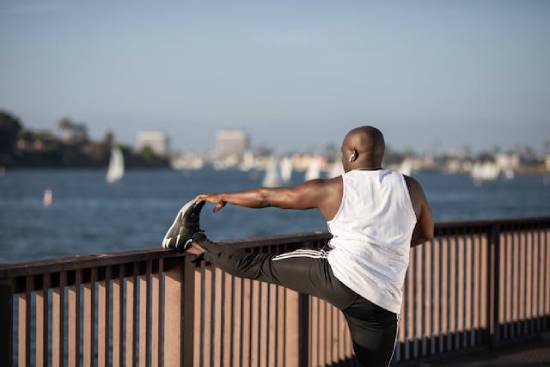
Photo by Ketut Subiyanto
Caring for your body is important. But obsession is a different story. Obsession sneaks in quietly and often wears the disguise of “commitment” or “discipline.” So how can you tell when your health journey is no longer healthy?
Here are some warning signs:
- You feel guilty when you miss a workout, even for legitimate reasons.
- You’re constantly anxious about what you eat.
- You avoid social events that might involve “unapproved” meals or that might infringe upon your exercise routine.
- People you know comment that you used to be nicer, more fun, more available, etc.
- You judge yourself or others based on their fitness routines or body appearance.
- Your focus on your body has crowded out time for prayer, Scripture, or community.
If this sounds familiar, pause and reflect:
Is my pursuit of health bringing me peace, or robbing me of it?
True health—biblical health—should not create fear, shame, or isolation. It should draw you closer to God, not further from Him.
With this in mind, let’s transition into some biblical principles that can help you stay centered while still taking care of your body.
Biblical principles for setting healthy boundaries with fitness and food
Finding a rhythm that honours your body and your Creator takes intentionality.
Here are some faith-based principles that help maintain healthy boundaries:
Practice moderation
God calls us to be balanced and self-controlled in all things (1 Corinthians 9:25). This includes exercise, eating, and even rest. Balance intense workouts with restorative sleep. Enjoy healthy meals but avoid guilt over occasional indulgences.
Limit harmful substances
The Bible encourages us to be clear-minded and level-headed (1 Peter 5:8). This includes steering clear of alcohol, drugs, or even misuse of prescription medication. These substances can disrupt mental, physical, and spiritual health.
Take regular check-ups seriously
Taking care of your health doesn’t mean guessing. It means being proactive, and it means involving those who are trained to examine you properly. So book those doctor appointments. Monitor your vitals. Staying ahead of health issues honours your role as a steward of God’s creation—you.
Focus on holistic wellness
Your health isn’t just physical. Mental clarity, spiritual growth, and emotional peace matter too. Taking breaks to rest, pray, and reflect isn’t lazy—it’s life-giving.
Avoid comparison
Your body is uniquely created. Comparing your journey to influencers or peers only breeds discontent. The Bible reminds us that “man looks at the outward appearance, but the Lord looks at the heart” (1 Samuel 16:7, NKJV).
These biblical principles are just the starting point. Now, let’s bring it all together with practical tips you can implement today.
Practical strategies to nurture your body while keeping Christ at the centre
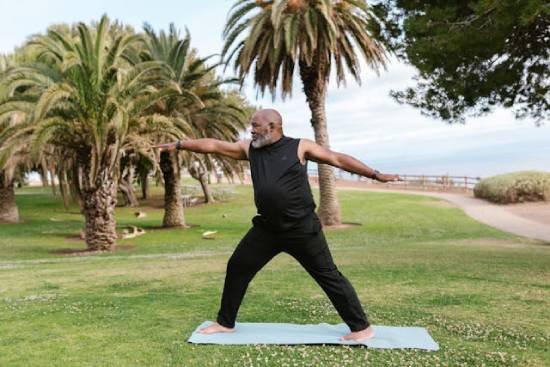
Photo by RDNE Stock project
So what does balanced self-care actually look like in daily life? Here are practical ways to take care of your body—without becoming obsessed:
- Schedule your workouts, but don’t let them replace time with God or loved ones. Start your days with prayer and Bible study to set the tone.
- Eat healthy, but don’t idolise your meal plan. Enjoy what you eat.Practice gratitude with every bite.
- Drink water regularly and get enough sleep—these are simple yet powerful ways to honour your body.
- Manage stress through faith-based journaling or Scripture meditation instead of overtraining.
- Take weekly rest days and sabbaths to remind yourself that your worth isn’t based on productivity or physical perfection.
- Use prescription medicine as directed, and seek counsel for natural health approaches that align with your values.
And most importantly, keep checking in with your heart. Ask: Is this habit drawing me closer to God or making me more self-focused?
As we wrap up, let’s revisit the heart of the matter.
Your health is a gift, not a god
There’s nothing wrong with wanting to be healthy.
In fact, God desires it. But He also reminds us that our bodies are temples for the Holy Spirit, not idols. If you’ve been striving for health at the cost of peace, relationships, or spiritual depth, it might be time to shift your focus.
Take care of your body in a way that nourishes your soul.
Practise moderation.
Limit distractions.
Rest well.
Drink water.
Avoid toxic habits.
See your doctor.
Exercise in joy.
Sleep in peace.
And remember—your value isn’t measured by how you look but by who you belong to.
If this article resonated with you, you’re not alone—and you don’t have to figure it out on your own
Ready to go deeper? Explore more faith-based wellness resources.
Visit the Health Section of the Hope for Africa platform to discover balanced, Bible-based insights that help you take care of your health while keeping Christ at the centre.
Start with these empowering reads:
- Lifestyle Hacks for Health and Well-being – Get simple, practical adjustments you can make in your daily life to boost energy, improve focus, and strengthen your immune system; all aligned with biblical wisdom. Perfect if you’re short on time but serious about long-term impact.
- Tips for Creating a Healthy Routine – Struggling with consistency? This article offers easy-to-follow, sustainable steps for building a daily rhythm that includes healthy eating, movement, rest, and spiritual growth, without the overwhelm.
- Secrets of Living a Long, Healthy Life – Learn timeless, Scripture-rooted health practices—such as rest, moderation, and avoiding harmful substances like alcohol and drugs—that have helped generations live longer, fuller lives. Discover how biblical living supports longevity and vitality.
Head over to our Health Section and begin a wellness journey that is balanced, Bible-based, and built for eternity. Your body is a gift. Let’s honour it, without idolising it.