

Is Social Media Hurting My Mental Health?
Social media can help us stay connected, discover new ideas, and keep up with the people and issues we care about. But spending time online can also affect how we think and feel.
If you’ve ever put down your phone feeling anxious, inadequate, lonely, distracted, or simply drained, you may have wondered whether social media is hurting your mental health.
The answer isn’t always a simple yes or no. How social media affects your mental wellbeing can depend on how you use it, what you consume, and the role it plays in your everyday life.
Becoming more intentional about these habits can help you protect your well-being while keeping technology in its proper place.
In this article, we’ll explore:
- How social media can affect your mental health
- Signs that your social media habits may be becoming unhealthy
- Why comparison and the search for approval can affect how you see yourself
- Practical ways to develop healthier social media habits
- Biblical principles that can help you protect your mind and find your worth beyond likes, followers, and online opinions
Let’s start by exploring how social media affects your mental health.
How can social media affect your mental health?
Social media use can have both positive and negative effects on mental health. Social media platforms can help young people maintain friendships, find helpful information, express themselves, and discover communities where they feel understood.
For someone who feels alone in their offline environment, these benefits can be especially meaningful. Online communities may provide encouragement, peer support, educational opportunities, and information about mental health services.
But there is another side.
Frequent exposure to upsetting content, cyberbullying, online harassment, unrealistic lifestyles, and constant comparison can contribute to stress, anxiety, loneliness, and dissatisfaction with life.
Concerns about privacy can also arise when personal information, photographs, or conversations are shared online.
For adolescents, teens, young adults, and other young people, these pressures can be particularly difficult while identity and self-confidence are still developing.
This does not mean that social media automatically causes depression, mental illness, or other mental disorders. Mental health is complex, and many factors can influence it. However, unhealthy patterns of social media use can make existing struggles harder to manage.
So how can you tell when ordinary scrolling is beginning to become a problem?
Signs that your social media habits may be becoming unhealthy

Photo by Anastasia Shuraeva
Your social media habits may be unhealthy when they consistently interfere with your sleep, responsibilities, relationships, mood, or ability to enjoy life away from a screen.
One important warning sign is excessive social media use. You may intend to watch one video or check one notification, only to discover that an hour has disappeared. Over time, increasing screen time can crowd out activities that support wellbeing, such as exercise, studying, face-to-face conversations, prayer, hobbies, and rest.
Pay attention if you regularly:
- Lose sleep because you stay online late at night
- Feel anxious when you cannot check your phone
- Neglect school, work, relationships, or responsibilities to stay online
- Experience FOMO—the fear of missing out—when you see what others are doing
- Feel worse about yourself after scrolling
- Keep checking likes, comments, messages, or follower numbers for reassurance
- Struggle to reduce your social media use even when you want to
People sometimes describe this loss of control as social media addiction. Whatever label is used, the important question is whether your online habits are controlling you rather than serving you.
And sometimes the problem is not simply how long we spend online. It is what happens in our minds while we are there.
Why comparison and the search for approval can affect how you see yourself
Social comparison can distort your view of yourself when you repeatedly compare ordinary life with carefully selected moments from someone else’s life.
Think about it: people usually post the photograph where they look their best, the exciting achievement, the holiday, the celebration, or the relationship milestone. You rarely see every disappointment, insecurity, argument, failure, or ordinary Tuesday behind those posts.
Yet it is easy to compare their highlight reel with your everyday reality.
For teens and young adults, especially, this can influence body image, confidence, and feelings of belonging. Seeing highly edited photographs, idealised lifestyles, or apparently successful peers may leave you wondering, Why don’t I look like that? Why isn’t my life moving that quickly? Why am I being left behind?
Constant comparison can feed FOMO, anxiety, and depressive symptoms. And when your sense of value begins depending on likes, comments, views, or followers, your mood can rise and fall according to other people’s reactions.
Your worth is far too important to hand over to an algorithm.
Recognising that truth is important. But what can you actually do when social media has become difficult to manage?
Practical ways to develop healthier social media habits
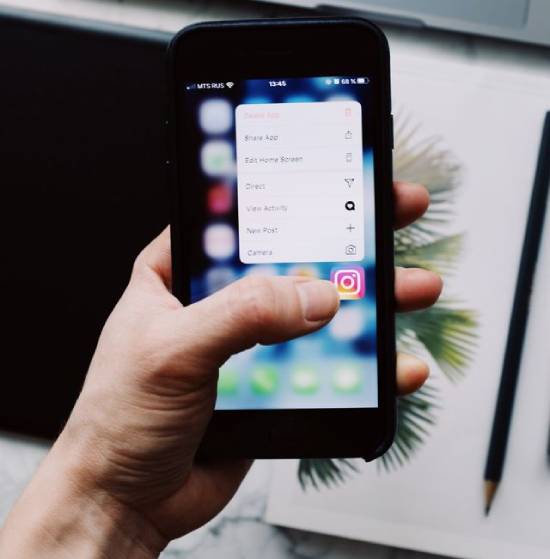
Photo by ready made
Healthy social media use begins with becoming intentional about when, why, and how you go online. You do not necessarily need to delete every account. Instead, create boundaries that help technology serve you rather than control you.
Start with a few practical changes:
- Monitor your screen time. Check how much time you actually spend on social media platforms each day.
- Protect your sleep. Consider keeping your phone away from your bed and setting a time to stop scrolling at night.
- Clean up your feed. Unfollow, mute, or block accounts that consistently trigger unhealthy comparison, stress, anger, or insecurity.
- Choose real connections. Make time for conversations and activities with family, friends, mentors, teachers, or trusted members of your community.
- Use privacy settings wisely. Think carefully before sharing personal details, your location, photographs, or other sensitive information.
- Respond to cyberbullying and online harassment. Block and report abusive accounts, save evidence when necessary, and tell a trusted adult or appropriate authority.
- Take regular breaks. Try periods without social media and notice what happens to your concentration, mood, and well-being.
And if your social media habits feel impossible to control—or you are experiencing persistent anxiety, depression, loneliness, or other concerning symptoms—talk with a trusted adult and consider seeking qualified professional support. Asking for help is a wise response when you are struggling.
Practical boundaries can protect your attention. But there is an even deeper question: Where does your sense of worth come from?
Biblical principles to protect your mind and find your worth beyond likes, followers, and online opinions
The Bible points us towards an identity and sense of worth that do not depend on online popularity. Instead of allowing social media to decide what deserves our attention and how we should view ourselves, Scripture encourages us to be intentional about what shapes our minds.
Philippians 4:8 tells us to focus our thoughts on what is true, honourable, just, pure, lovely, and worthy of praise. That principle offers a useful test for your digital life: What is my feed teaching me to think about?
Psalm 139:14 reminds us that we are fearfully and wonderfully made. Your value, therefore, is not determined by whether your appearance matches an online trend. Your body image does not have to be built around someone else’s approval.
Romans 12:2 also encourages believers not to be shaped by the patterns around them but to experience transformation through the renewing of the mind. That matters in a digital world constantly competing for your attention.
Before opening an app, you might ask yourself:
Why am I going online right now? Is this helping me grow, connect, learn, or rest, or am I looking for approval, escaping something difficult, or comparing myself with others?
Social media itself does not have to be the enemy. It can produce positive effects when it helps us learn, encourage others, maintain healthy relationships, and find supportive communities. But its negative effects deserve attention when scrolling begins to harm our mental health, relationships, responsibilities, sleep, or view of ourselves.
You were made for more than endless scrolling and online approval.
Take control of social media and protect your mental well-being
Protecting your mental health is about more than changing how much time you spend online. It also involves learning to see yourself in a healthier way, dealing with difficult emotions, and building daily habits that support your overall wellbeing.
Start small. Put down your phone for a while. Talk to someone you trust. Spend time doing something meaningful. Pray. Rest. And remember that the number beside a post can never measure the value of the person behind the screen.
For more practical, Bible-based insights, explore the Health section of Hope for Africa. You’ll find resources designed to help you care for your mental, emotional, physical, and spiritual well-being.
Not sure where to begin? Here are three helpful reads:
- What the Bible Says About How to Deal With Shame and Low Self-esteem
If social comparison, negative comments, or the pressure to gain approval online has affected how you see yourself, start here. This article can help you explore your worth from a biblical perspective and develop a healthier view of yourself that is not dependent on likes, appearance, achievements, or other people’s opinions. - How Do I Prevent Resentment From Damaging My Emotional Health?
Hurtful comments, cyberbullying, rejection, and conflict—online or offline—can leave emotional wounds. This article can help you understand the danger of holding on to resentment and explore healthier, faith-centred ways of responding to hurt. - Daily Habits That Improve Well-being and Honour God
Healthy change often happens through small choices repeated each day. This article can help you discover practical habits for caring for your wellbeing while approaching health as an important part of your relationship with God.
Your social media feed doesn’t have to determine how you feel about yourself or your life.
Take the next step towards a healthier mind, healthier habits, and a more grounded sense of identity by exploring the Health section of Hope for Africa today.