

What the Bible Says About How to Deal With Shame and Low Self-esteem
Shame can feel like a shadow that follows us—silent, heavy, and hard to shake.
Whether it stems from past mistakes, unmet expectations, or the harsh words of others, shame often whispers lies about our worth. Pair that with low self-esteem, and many find themselves stuck in a cycle of self-doubt, questioning their value and identity.
But what does the Bible say about these silent struggles?
Surprisingly, Scripture doesn’t ignore these issues. It addresses them head-on with compassion, clarity, and hope. God’s Word offers a radically different perspective: that your worth is not based on your performance, perfection, or the opinions of others—but on your identity in Christ.
In this Bible-based guide, you’ll discover:
- The origins of shame in Scripture
- What the Bible reveals about your true identity
- Practical examples of biblical figures who struggled with shame
- Christ’s redemptive power to cover shame and rebuild self-worth.
- Spiritual strategies to replace self-condemnation with God-centered affirmation and healing.
Let’s explore how the Bible can guide you from a place of insecurity to one of confidence, beginning from the root of shame.
The origins of shame in Scripture
Shame first entered the human story in the Garden of Eden.
Before sin, Adam and Eve were “naked and unashamed” (Genesis 2:25), living freely in God’s presence. But after disobeying God, they hid in fear, covered themselves with fig leaves, and felt exposed (Genesis 3:7-10). This was humanity’s first experience of shame—a deep sense of unworthiness in the light of holiness.
The Bible shows us that shame is a consequence of sin, but not always a result of personal wrongdoing. Sometimes, we carry shame from what others have done to us or from internalizing guilt and cultural expectations. Shame distorts how we see ourselves, others, and even God.
But from the very beginning, God moved toward the ashamed—covering Adam and Eve, calling them out of hiding, and initiating the long story of redemption through Christ.
And the Psalmist assures us of radiance when we focus on God:
“They looked to Him and were radiant, and their faces were not ashamed” (Psalm 34:5, NKJV).
Transitioning from the origins of shame, let’s now uncover the biblical truth of who we truly are in God’s eyes.
What the Bible reveals about your true identity

In Christ, we are not defined by guilt, shame, or past mistakes.
The Bible declares that when we accept Jesus through faith, we become a new creation (2 Corinthians 5:17). This means our identity is no longer shaped by what we did or what was done to us—but by who God says we are.
You are:
- Forgiven (1 John 1:9)
- Redeemed (Ephesians 1:7)
- Loved unconditionally (Romans 8:38-39)
- Chosen and made holy (1 Peter 2:9)
Shame says, “you are flawed,” but God’s love says, “you are made perfect in Christ” (Hebrews 10:14). The Holy Spirit affirms your worth, reminding you that you are a child of God, not an outcast.
The Scriptures consistently replace shame with honour for those who trust in Him:
“Instead of your shame you shall have double honor, and instead of confusion they shall rejoice in their portion. Therefore in their land they shall possess double; everlasting joy shall be theirs” (Isaiah 61:7, NKJV).
So, how does this look in real life?
Let’s learn from those in the Bible who wrestled with shame and discovered healing.
Biblical examples of people who faced shame and were restored
Scripture is filled with people who struggled with guilt and low self-worth but found restoration in God.
- Peter denied Jesus three times and was crushed by the weight of his failure. Yet Jesus gently restored him with love and purpose (John 21:15-17).
- The woman caught in adultery (John 8:1-11) was brought to Jesus in public disgrace. Instead of condemning her, Jesus extended grace, challenged her to change, and defended her dignity.
- David, after committing adultery and murder, confessed his sin (Psalm 51), repented sincerely, and found mercy, healing, and renewed favour with God.
These stories show that even when our shame comes from sin, repentance, confession, and faith unlock a path to freedom and redemption.
As we reflect on their stories, we move into the core of the gospel: Christ’s role in covering our shame.
Christ’s redemptive power to cover shame and rebuild self-worth
Jesus didn’t just die for our sins; He died to remove our shame. On the cross, He bore both our guilt and our disgrace (Hebrews 12:2). He was publicly humiliated so we could walk in dignity. This is the heart of the gospel.
Through grace, we are not only forgiven but given a new name, a new identity, and a new destiny. Redemption means we are repurchased from the pain of shame and restored to wholeness. In Christ, we are made clean, holy, and blameless (Colossians 1:22).
To experience this truth:
- Meditate on Scriptures that speak to your new identity.
- Spend time in prayer, asking the Holy Spirit to speak truth over the lies of shame.
- Memorise key verses like Romans 8:1: “There is therefore now no condemnation to those who are in Christ Jesus, who do not walk according to the flesh, but according to the Spirit” (NKJV).
“As far as the east is from the west, so far has He removed our transgressions from us” (Psalm 103:12, NKJV).
Knowing Christ’s redemptive power prepares us to take spiritual steps now to walk out of shame and into freedom.
Spiritual strategies to replace self-condemnation with God-centered healing
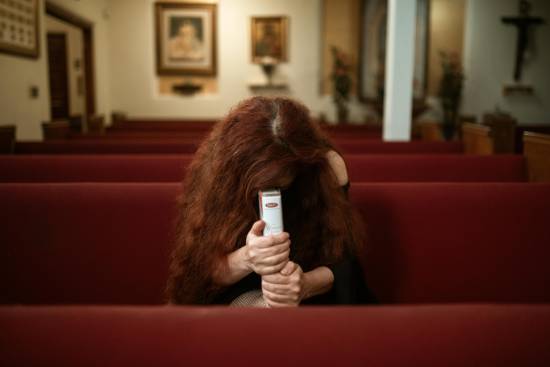
Photo by RDNE Stock project
Fighting shame is not a one-time event. It is a spiritual journey that requires intentional practices rooted in truth and encouragement from God’s Word.
Here are five key steps to overcome shame through Scripture:
- Confession and repentance: Acknowledge guilt before God, trusting that He is faithful to forgive (1 John 1:9).
- Affirm your identity in Christ: Regularly declare Scriptures about being a new creation, loved, and accepted.
- Renew your mind: Let God transform your thought patterns through daily reading and meditation on Scripture (Romans 12:2).
- Surround yourself with truth-tellers: Engage with a faith community that speaks life rather than condemnation.
- Use prayer as a weapon: Prayer invites the Holy Spirit to do inner healing and renew your mind with God’s peace.
Each of these practices uproots the lies of shame and plants the truth of God’s mercy and restoration in your heart.
“And you shall know the truth, and the truth shall make you free” (John 8:32, NKJV).
From shame to freedom: You are a new creation
The journey from shame to wholeness begins with God’s love and ends in hope. No matter your past, you are never too far from grace. Through Christ, your life is not defined by what you’ve done or what others have said about you. You are a new creation, made to reflect God’s glory.
When shame whispers that you are unworthy, respond with the Word of God. When guilt drags you down, look to the cross where Jesus bore it all. When self-esteem feels low, lift your eyes to the One who calls you His masterpiece (Ephesians 2:10).
There is no shame in Christ, only freedom.
Ready to experience freedom?
You don’t have to walk this journey alone. Explore the Faith section of our HFA website for more insights on how to grow in your identity, overcome shame, and walk confidently with God.
Here are a few helpful articles to get you started:
- Can God Restore My Wasted Years and Make Me Whole Again?
Discover how God’s power of restoration can redeem even the most painful seasons of your past and give you a renewed sense of purpose and hope. - Can God Forgive Even My Worst Sins?
Dive into the depths of God’s mercy and learn how grace through Jesus can wipe away even your deepest regrets. - What Does It Mean to Be Born Again?
Understand the biblical foundation of spiritual rebirth and how becoming a new creation in Christ transforms your life from the inside out.
Let God’s truth lead you from shame to restoration, from fear to faith, and from brokenness to beauty.